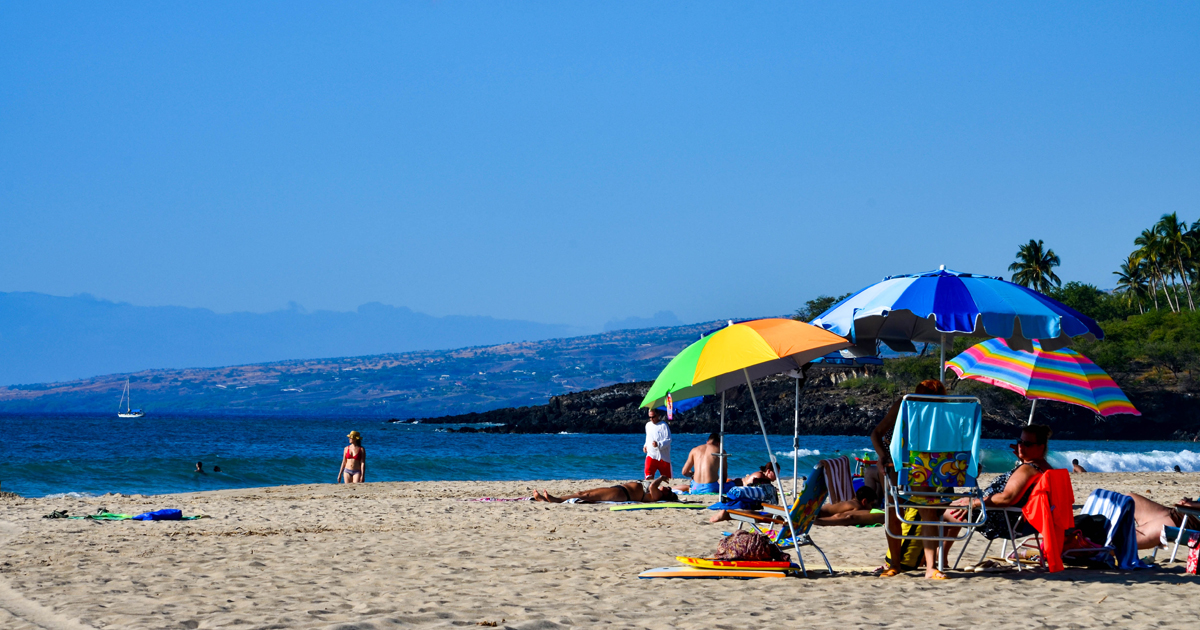
A Big Island beach day is never just about choosing the closest stretch of sand. On Hawaiʻi Island, the ocean changes with the seasons, the swell, the wind, and even the time of day. A beach that feels calm in the morning can look completely different by afternoon. A shoreline that is perfect for snorkeling in summer may have strong surf in winter.
For visitors staying on the Kohala Coast or anywhere in West Hawaiʻi, knowing which beaches are best by season can help you plan safer, easier, and more memorable beach days. The Kohala Coast is loved for its white sand, lava rock shoreline, clear blue water, and sunny weather, but ocean conditions always deserve respect. Check the surf report, look for posted signs, and listen to lifeguards when available before you head out.
Winter Sunset Walks & Protected Beaches
Winter in West Hawaiʻi is wonderful with colder mornings, golden sunsets, and magnificent ocean views. It’s also the time of year when the beaches facing north and west can have bigger surf. Some winter days are quiet and good for swimming. But there are better days for beach walks, taking pictures, and safely watching the waves from the shore.
Spencer Beach Park near Kawaihae is generally a nice choice in the winter, since it’s in a more protected area. Families enjoy the shade, picnic tables, bathrooms, and easy access. In calm water, it can be a wonderful spot for swimming, relaxing, and having a nice beach day.
ʻAnaehoʻomalu Bay (more commonly known as A-Bay) is one of the most visitor-friendly beaches on the Kohala Coast. Located in Waikoloa Beach Resort, A-Bay features a broad shoreline, palm trees, historic fishponds, and close restaurants and shopping. It’s a favorite place for sunset strolls, comfortable beach relaxation, and vacation pictures. The water can be very quiet at times, but circumstances can change, so always have a good look before you get in.
Kaunaʻoa Beach (also known as Mauna Kea Beach) is one of the most stunning beaches on the island. The white beach is smooth, and the sea is clear. Unforgettable. In winter, visit on calm days but be careful if the surf is rising.
Spring: A Time for Beach Hopping
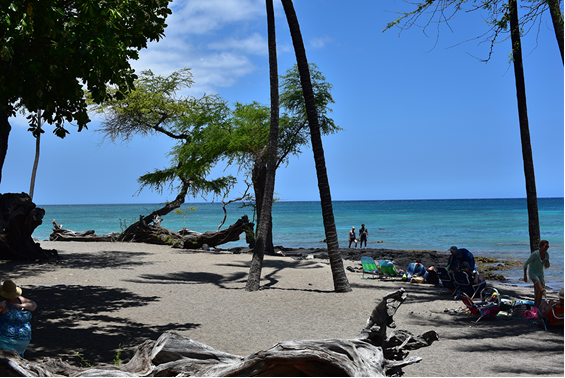
Spring is one of the best times to visit the beaches of the Kohala Coast. Winter surf often calms, the weather is nice, and beaches can be a little less busy than during the most popular vacation periods.
Hāpuna Beach is a Big Island classic. It has a long stretch of white sand and a vivid blue sea, and is one of the most popular beaches in Hawaiʻi. Usually, spring mornings are gorgeous before the wind gets going. Hāpuna is good for swimming in calmer weather, but may sometimes generate ferocious shore break and currents; thus, pay special heed to posted warnings.
Waialea Beach (sometimes called Beach 69) is rather more off the beaten track. It provides shade, sandy nooks, lava rock, and clear water when the conditions are favorable. Visitors adore it for relaxation, snorkeling, and exploration. Entry to the water is rocky and, in places, over reef, so check your footing.
Spring is a terrific time to hit more than one beach in a day. You may begin with a morning dip at Hāpuna, enjoy a more relaxed afternoon at Beach 69, then finish the day with sunset at A-Bay.
Summer: Snorkeling and Long Days in the Ocean
Many beaches in West Hawaiʻi see calmer ocean conditions throughout the summer, when swimming, snorkeling, and lengthy days in the water are popular. But things can change rapidly, so don’t think every summer day is safe.
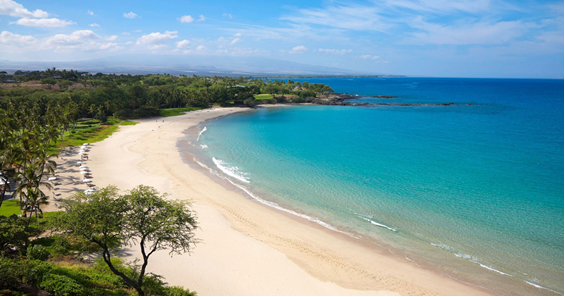
Kikaua Point Park and adjoining Kūkiʻo Beach are quiet, scenic, and especially lovely when the ocean is calm. The shoreline features lava rock, tide pools, sandy sections, and sheltered water. Access is provided through the resort gate, and it helps keep the area peaceful. These beaches are perfect for a quiet family vacation, a beach day, or a coastal walk. Come early because parking spots are limited, and the guards won’t let you in once the parking is full.
Makalawena Beach is one of the Big Island’s most beautiful, but it takes some work to get there. The trek in is half the adventure; the reward is a smooth beach, turquoise sea, and a serene sensation far from everything. Summer might be a great time to visit when the water is calm. Bring plenty of water, sun protection, snacks, and good walking shoes, as there are no lifeguards or easy facilities.
Kua Bay’s Maniniʻōwali Beach is another visitor favorite. The water can be really clear, and the white sand is gorgeous. Weather permitting, it can be great for swimming and playing in the ocean in the summer. Timing’s everything; you might get caught out in winter.
Fall: Warmer waters and fewer crowds
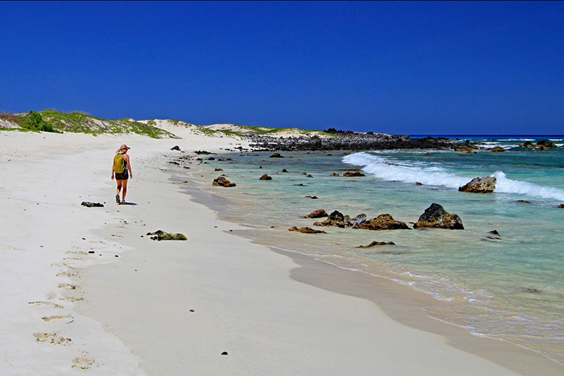
Fall can be a beautiful time for Big Island visitors. There are still days like summer, and early winter surges may start to show up. Beaches are less crowded, the weather is mild, and sunsets are often lovely.
Kahaluʻu Beach Park in Kona is one of the most popular snorkeling sites on the west coast. Beginners enjoy its reef-protected region, and colorful fish are commonly seen by visitors close to shore. The reef is vulnerable, so never step on coral, never touch marine creatures, and always use reef-friendly sun protection.
Magic Sands Beach in Kailua-Kona is busy, exciting, and beautiful, but also the ideal reminder that conditions matter. Sand shifts with the seasons, surf can be intense, and shore break can catch tourists off guard. It’s a terrific area to enjoy the water on a quiet day. On a rough day, it is best to watch the waves and enjoy the view from the shore.
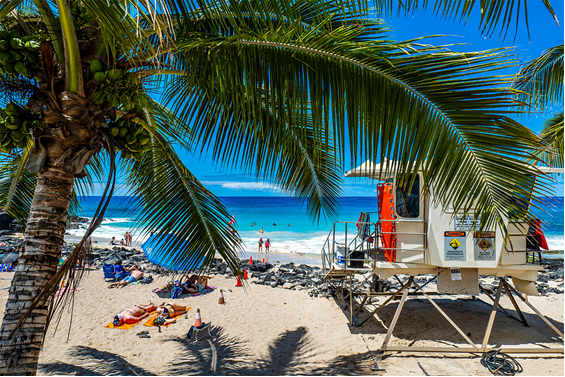
Beach Enjoyment and Ocean Respect
One of the best things about a West Hawaiʻi vacation rental is the flexibility to enjoy the island at your own speed. You can do breakfast, pack a cooler, go out for a morning swim, come back in for a rest, then go back out for sunset.
The finest beach for your vacation could change every day. Winter may demand sheltered bays and pleasant walks. Spring is the perfect time to beach hop. Summer is perfect for snorkeling and long swims. Fall means warm water, fewer visitors, and some quiet times along the shoreline.
Stand and observe the ocean for a few minutes before you go in the water. Watch out for waves, currents, rocks, reefs, and other swimmers. If you’re not sure, don’t go. Where feasible, use lifeguarded beaches, especially if traveling with children or are unfamiliar with Hawaiian water conditions.
The Big Island is worth the effort for those who are curious, adaptable and well-mannered. Pick a beach that suits the season, check the conditions and let the island lead the way, one swim, one sunset and one beach memory at a time.