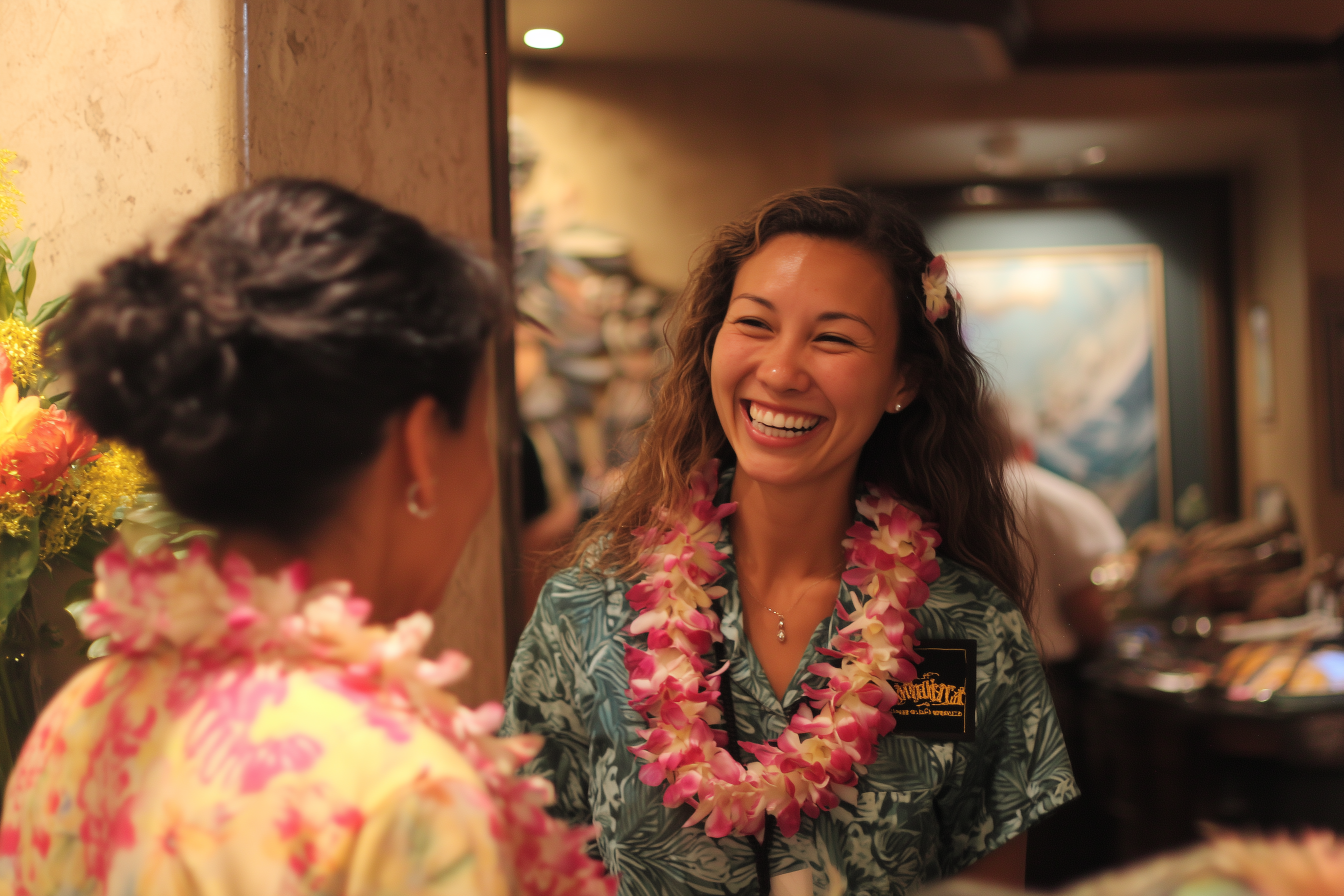
The holidays are almost here, and for many people, that means booking a ticket to Hawaii, leaving the cold behind, and switching from snow boots to slippers. You will notice something right away, whether you spend Christmas under palm trees or welcome the New Year with your feet in the sand. Hawaii doesn’t simply welcome visitors; it embraces them.
The spirit of Aloha is a big part of everyday life in Hawaii, beyond the postcard-perfect beauty and famed resorts. It is kind, open-hearted, and based on culture and tradition. People from Hawaii are known for being friendly, but they are even friendlier when tourists come with respect, humility, and a sincere curiosity in what makes these islands and their people unique.
As you get ready for your vacation, learn what Aloha actually means, what makes Hawaiian hospitality different, and how to show respect to the people you meet.
What Aloha Really Means
Most people who come to Hawaii quickly learn that “Aloha” implies more than just “hello” or “goodbye.” It’s a way to live with love, respect, grace, and gratitude.
At its heart, Aloha is about how people get along with one another. It recognizes the bond between people, the land, and the community. This relationship, known as pilina, is particularly essential in Hawaiian society. When you say “Aloha” to someone, you’re not just expressing a word. You’re exchanging warmth, honesty, and a sense of being human together.
Aloha is also something you do. Hawaiians demonstrate Aloha by being kind, sharing food, embracing people, and being patient and understanding. People don’t do these things to get something back. They come from the heart.
Hawaiian friendliness is special because it is real.
What Hawaiian Hospitality Feels Like
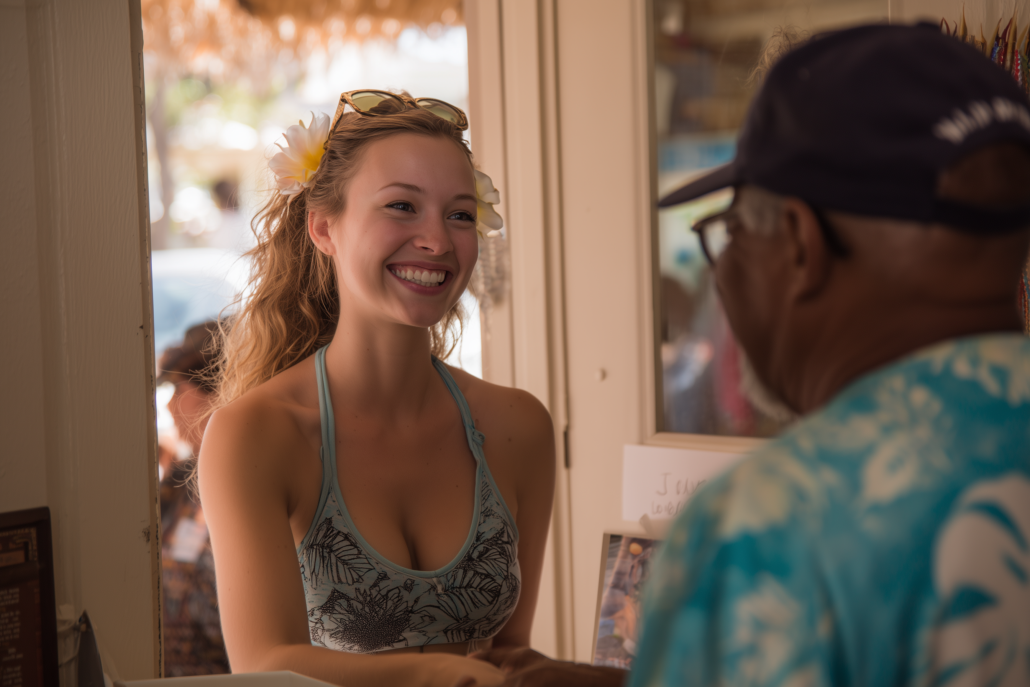
If you’ve been to Hawaii before, you know what it feels like. It’s the warm “Aloha” from someone you just passed, the way strangers hold the door, the smiles and eye contact from locals, or someone stopping to give you directions even if you didn’t ask.
Hawaiian hospitality is:
Friendly and welcoming: Visitors frequently feel more like old friends than visitors.
Community-minded: Hawaii is very family-oriented, and people there typically feel a strong connection to others.
Generous: Giving is a method to demonstrate Aloha, whether it’s sharing food at a party or assisting someone you don’t know.
Respectful: Hawaiians are respectful and ponder about how their actions affect others.
The spirit of Aloha shines even more around the holidays, when people get together with family and friends and say thank you.
Things to Think About When Going to Hawaii During the Holidays
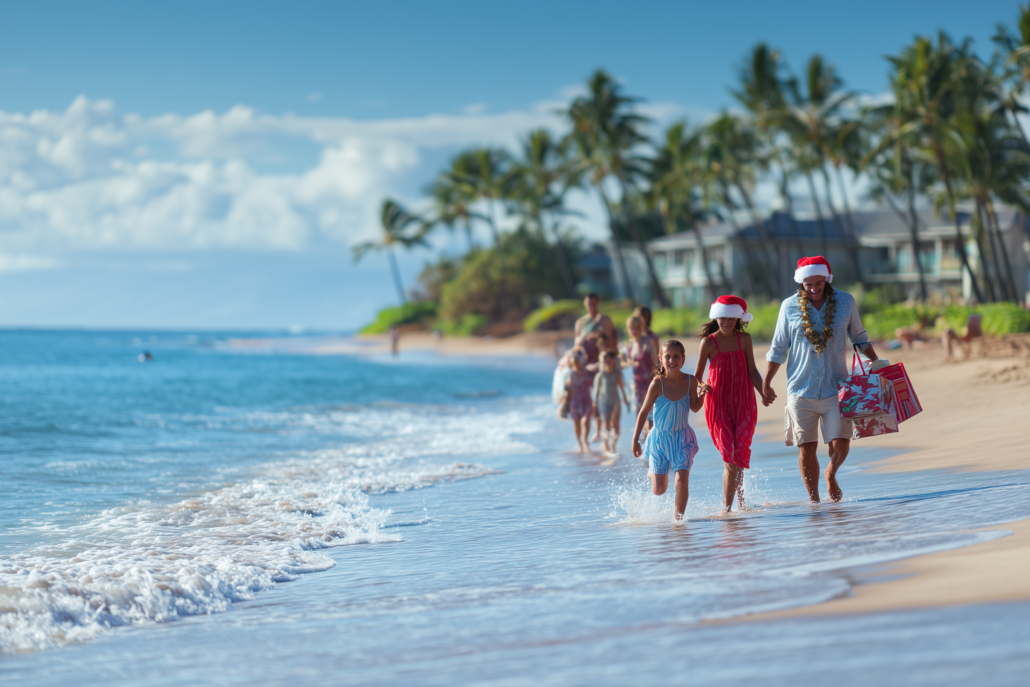
During the holidays, the islands are very busy with visitors from all over the world. You will see locals getting last-minute gifts, families going to the beach on Christmas morning, and neighbors getting together for celebrations.
Remember this if you’re going to visit: you’re not merely on vacation. You are stepping into a living culture.
Here are some things to keep in mind to make sure your visit is in the spirit of Aloha.
Practicing Hawaiian Etiquette as a Visitor
Hawaiians are quite welcoming, but they like it best when people are polite and respectful. Here are some ways you can follow local customs and give back to the communities you’re enjoying.
1. Be honest, open, and kind.
People here value honesty. A simple, real grin can do a lot. Saying “please,” “thank you,” and “Aloha” are also good things to do. Being polite isn’t just a formality here; it’s part of life.
2. Take your time and be patient
Things move more slowly in Hawaii. People like peaceful conversations, not ones that are hasty or pushy. Allow extra time for traffic, service, or getting a table at a restaurant, and be nice to the staff. Everyone is doing their best, especially during the holidays when things are busy.
3. Respect the Land (Aina)
Hawaiians hold the land very sacred.
To show respect, stay on marked routes, do not disturb cultural sites or geological formations, use sunscreen that doesn’t hurt coral reefs, and clean up after yourself at the beach.
When you take care of the aina, you are showing Aloha.
4. Help out the local community
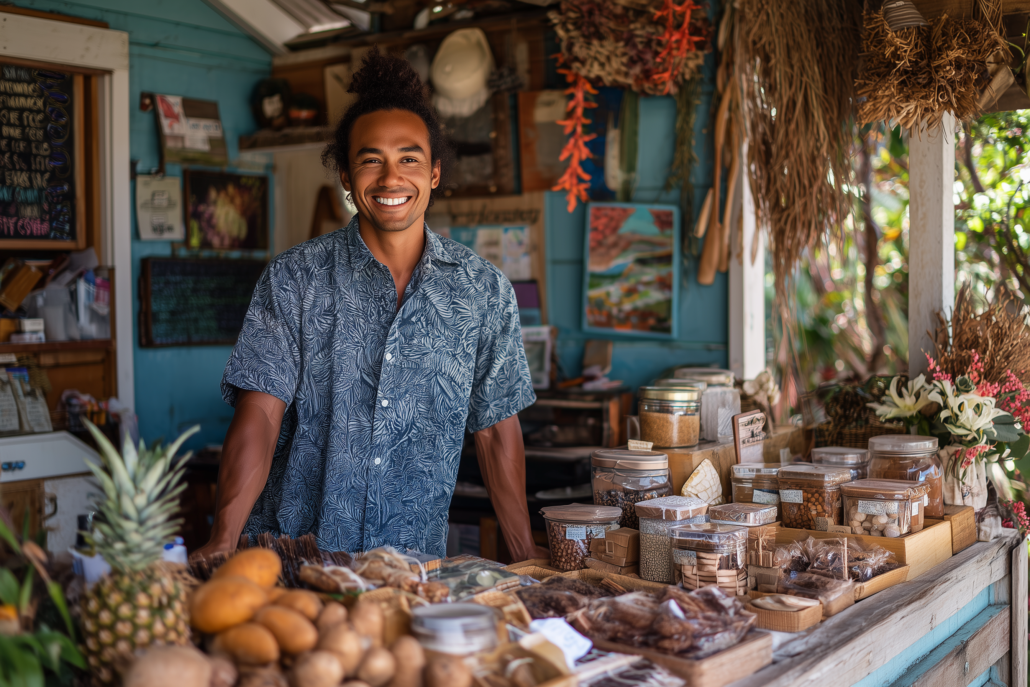
Small enterprises, artists, farmers, and restaurants are what make life on the island work. Buying things in your area is a great way to help. When you buy gifts for the holidays, eat out, or buy souvenirs, you help keep culture alive and strengthen the spirit of Aloha.
5. Don’t assume; ask.
If you’re not sure if a beach area is private, how to say a Hawaiian word, or what to do at a cultural site, just ask. People in Hawaii like it when you ask questions and show respect, and they are usually ready to offer information.
6. Be aware of local customs and spaces
Some beaches, hiking trails, or events may mostly be for people who live nearby. If you’re coming to visit:
Don’t make too much noise
Don’t park in driveways or on private property
Give locals room to enjoy their favorite areas
You are welcome there. Just keep in mind to be considerate.
7. Show Gratitude
Hawaiians commonly show thanks by giving food, saying kind things, or doing tiny things to help. As a visitor, you can show your thanks by leaving places better than you found them, being humble when you visit the islands, and sincerely thanking the workers.
Appreciating Hawaiian Hospitality from the Heart
Embracing Aloha means not taking the generosity of Hawaiians for granted. The kindness, care, and patience you feel here stem from cultural values passed down through generations. In return, these ideals should be recognized and respected.
During your Christmas visit, here’s how you can show your appreciation more:
Learn a Little Hawaiian
A few words can indicate effort and appreciation. Try:
Aloha means “love” or “welcome.”
Mahalo means “thank you.”
ʻOhana means “family.”
Kōkua means “help” or “assistance.”
A little effort goes a long way.
Be mindful when attending cultural events.
Luaus, hula shows, artisan classes, and historical tours are all great ways to learn. Choose experiences that respect cultural authenticity and treat these traditions with respect, not only for fun.
Give Space in Natural Settings
Sea turtles (honu) and monk seals are two types of animals that typically relax on beaches. Look at them from a distance. This is a sign of respect for nature and the rules that keep it safe.
Observe Before Participating
When you’re at a beach, a cultural institution, or a community event, pay attention to how the locals use the space. This tiny act of being aware shows respect.
The Heart of the Holidays in Hawaii
The holidays in Hawaii are special not just because of the sunshine, warm water, or festive lights on palm trees. It’s the sense of community, gratitude, and closeness that fits perfectly with the season.
Families get together for mele (songs), food, picnics at dusk, and fun. People from the neighborhood come by with food they made themselves. Kids practice hula for the holidays. You can feel the mix of tradition and togetherness everywhere.
It’s a chance for tourists to rejoice and socialize at the same time.
Giving Back the Aloha
Aloha is not something to consume; it is something to take part in. You become part of what makes this place great when you display the same qualities that Hawaiians do, such compassion, respect, humility, and gratitude.
As you enjoy your vacation in Hawaii, keep in mind:
Aloha isn’t automatic—it’s shared.
Hospitality flows best when it’s appreciated.
Respect strengthens relationships between visitors and locals.
Kindness is contagious.
When you give Aloha, you get it back ten times.
Final Thoughts
Hawaii is a gift. The people, culture, land, and traditions of this place are all valuable and should be respected. When you celebrate the holidays here, don’t only look at the beautiful things around you. Take in the spirit that makes this area so special.
Be honest.
Be polite.
Be nice.
Be truthful.
And let the Aloha you get inspire the Aloha you give.
May your holiday season in Hawaii be full of warmth, wonder, and real connection from our hearts to yours.
Happy Holidays and Aloha!