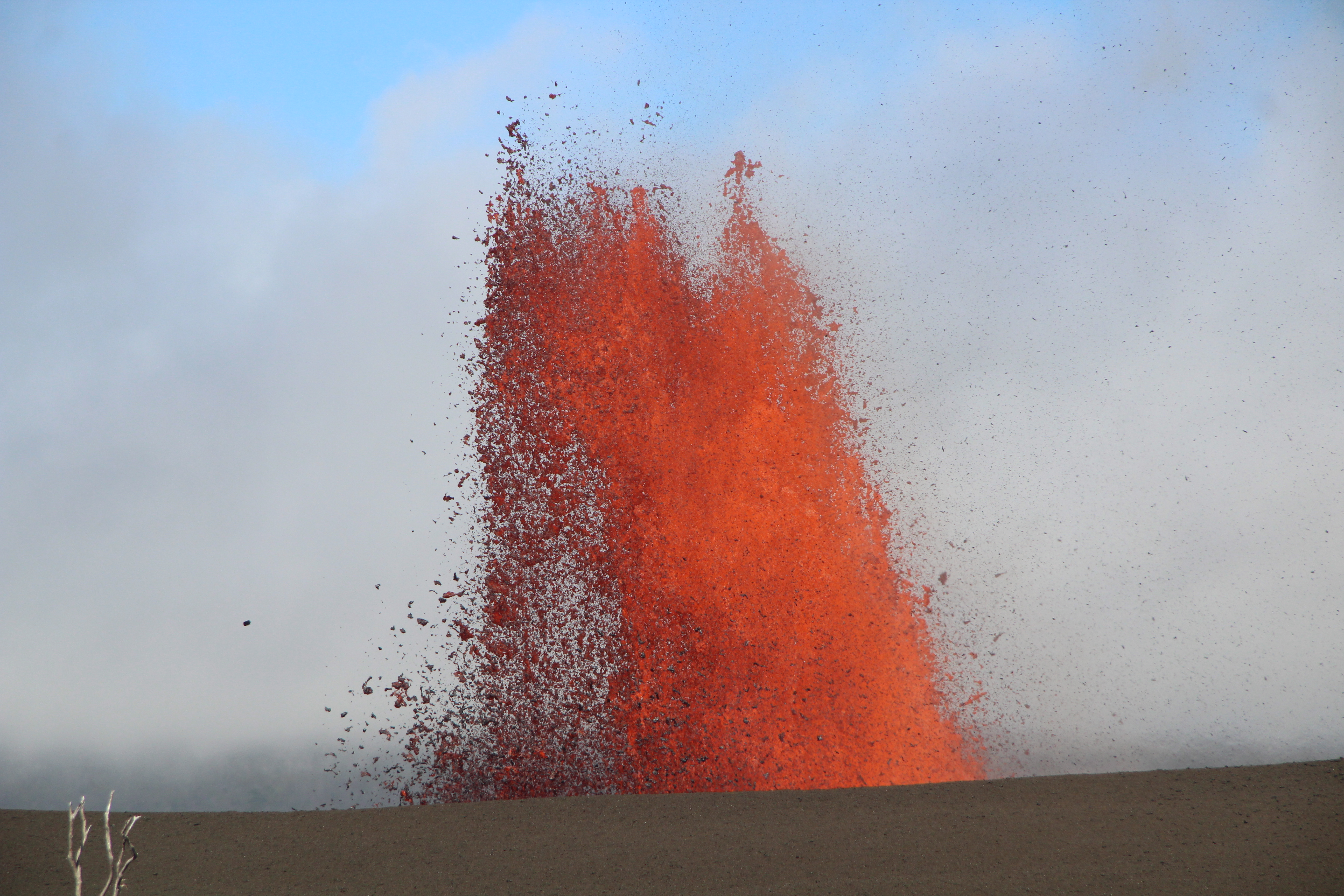
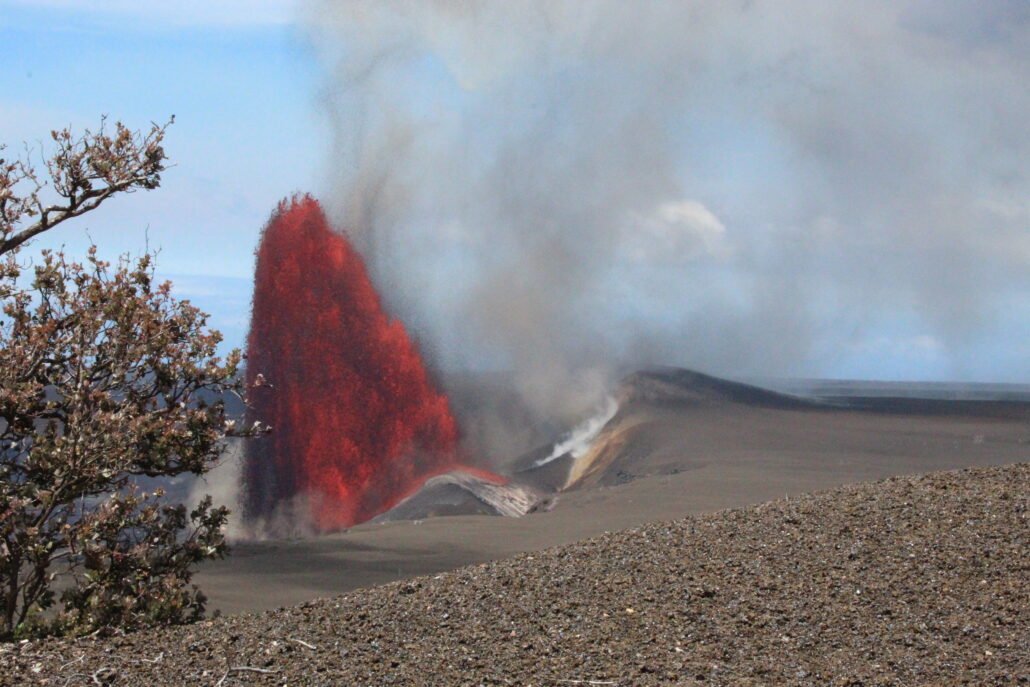
As Hawaiʻi gets ready for Fourth of July celebrations, Kīlauea offered a dramatic celebration of its own. On June 27, 2026, the volcano marked Episode 50 of its ongoing summit eruption inside Halemaʻumaʻu Crater at Hawaiʻi Volcanoes National Park. Lava fountaining began at 10:10 a.m. HST and ended at 5:10 p.m., after seven hours of continuous activity at the north vent.
For visitors planning a Big Island vacation, this is one of those special moments that shows us why Hawaiʻi Island is unlike anywhere else. Here, the land is not only beautiful. It is alive, changing, building, and teaching us something every day.
A Powerful Moment in Kīlauea’s Ongoing Story
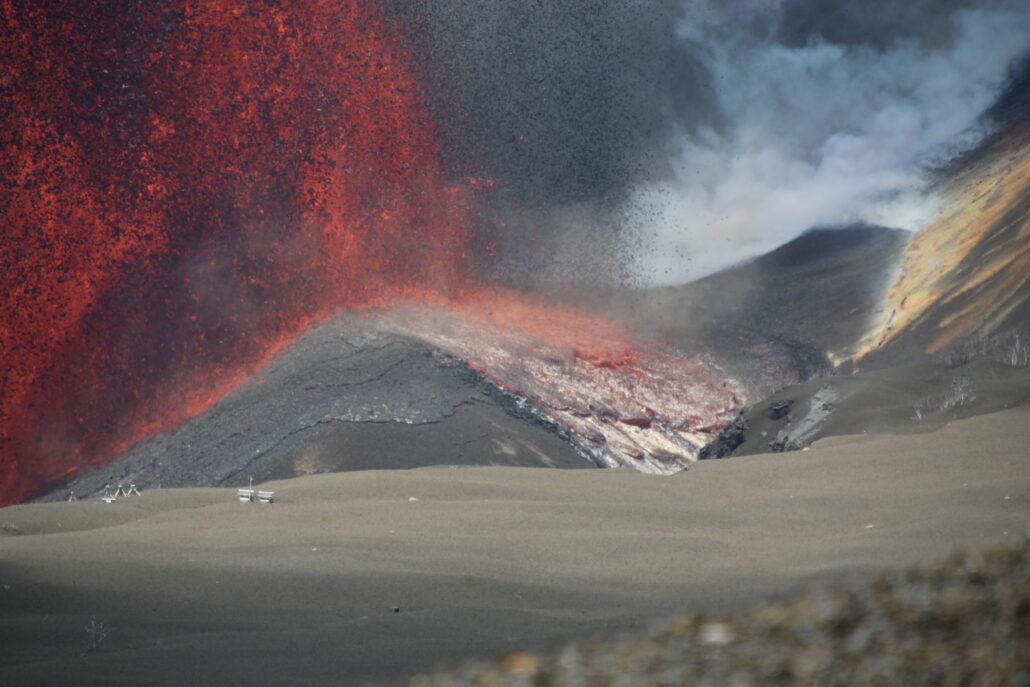
Episode 50 was part of the ongoing episodic eruption that began on December 23, 2024, at the summit of Kīlauea. The eruption has been occurring within Halemaʻumaʻu, the famous crater inside Kaluapele, Kīlauea’s summit caldera. The current activity has centered on two vents, known as the north and south vents, although Episode 50 was produced only by the north vent.
The numbers behind this episode are remarkable. According to the USGS Hawaiian Volcano Observatory, Episode 50 produced a lava fountain that reached about 1,000 feet at its peak. The episode also released an estimated 6.4 million cubic yards of lava, covering about half of the Halemaʻumaʻu crater floor. The plume reached about 18,000 feet above sea level during the most energetic part of the event.
That is Big Island nature at its most unforgettable. Not staged. Not scheduled. Not created for visitors. Simply the island doing what it has done for generations.
What Is the Difference Between an Eruption and an Episode?
This has become one of the most common questions about Kīlauea’s recent activity.
An eruption happens when magma reaches the surface. That can happen as lava flows, lava fountains, or explosive activity. An episode is a distinct period of activity within a larger eruption. In Kīlauea’s current pattern, lava fountaining starts, continues for hours or days, then pauses. The eruption is still considered ongoing because the same vents remain active, magma continues to move and pressurize underground, and volcanic gases and tremor persist during quiet periods.
Think of the eruption as the larger story and each episode as a chapter. Some chapters are quick and fiery. Others are quiet, with steam, glow, and delicate signals under the surface.
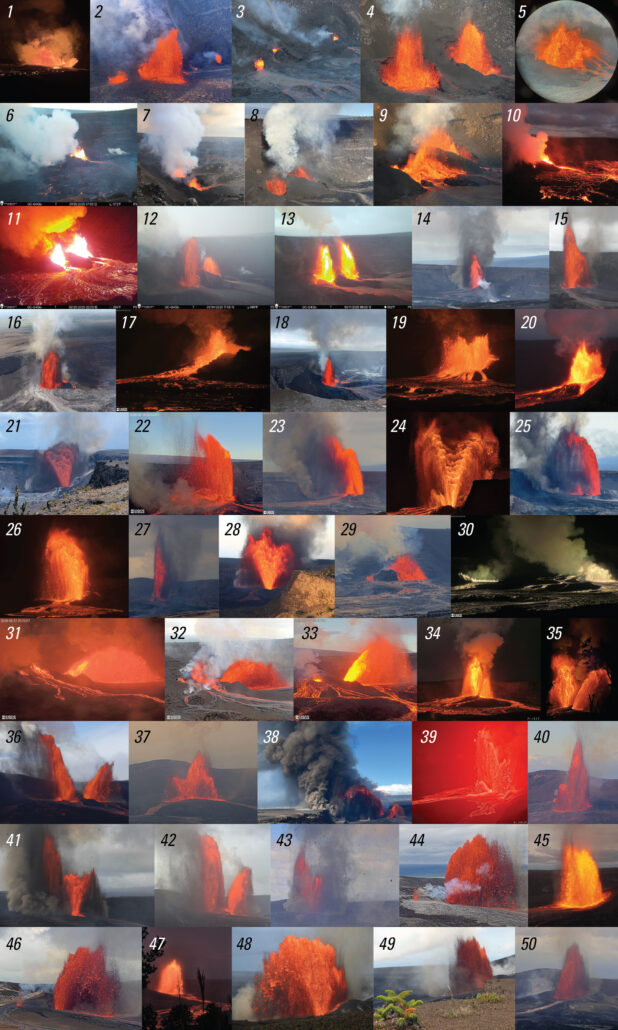
This is why Episode 50 does not mean Kīlauea has erupted 50 separate times. It means the current eruption has produced 50 separate fountaining events since it began in late 2024.
Why Does Kīlauea Keep Erupting?
Kīlauea is one of the most active volcanoes on Earth, and Hawaiʻi sits above a hot spot deep within the Earth. Deep beneath the surface, heat partially melts mantle rock, creating magma that rises through the Pacific Plate. As the Pacific Plate slowly moves, volcanoes are built over the hot spot, creating the Hawaiian Island chain. Kīlauea and Mauna Loa are the most historically active volcanoes on Hawaiʻi Island.
During this current eruption, Kīlauea’s summit magma chambers appear to be going through a repeating pressure cycle. Before a fountaining episode, pressure builds beneath the summit. During an episode, lava erupts, and the summit deflates as that pressure is released. After the episode ends, the summit begins pressurizing again. This repeated inflation-and-deflation pattern helps scientists forecast when another episode may occur.
Of course, volcanoes are natural systems, not machines. Kīlauea can change quickly. Activity can pause, resume, strengthen, weaken, or shift. That is why the USGS Hawaiian Volcano Observatory keeps monitoring the volcano closely.
Can Visitors See Lava Right Now?
The honest answer is: it depends on timing.
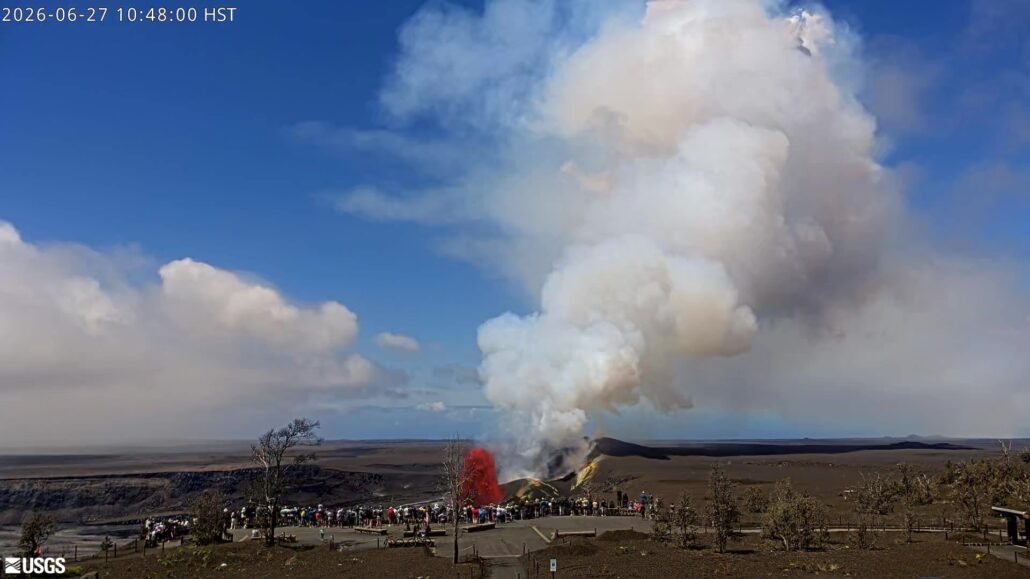
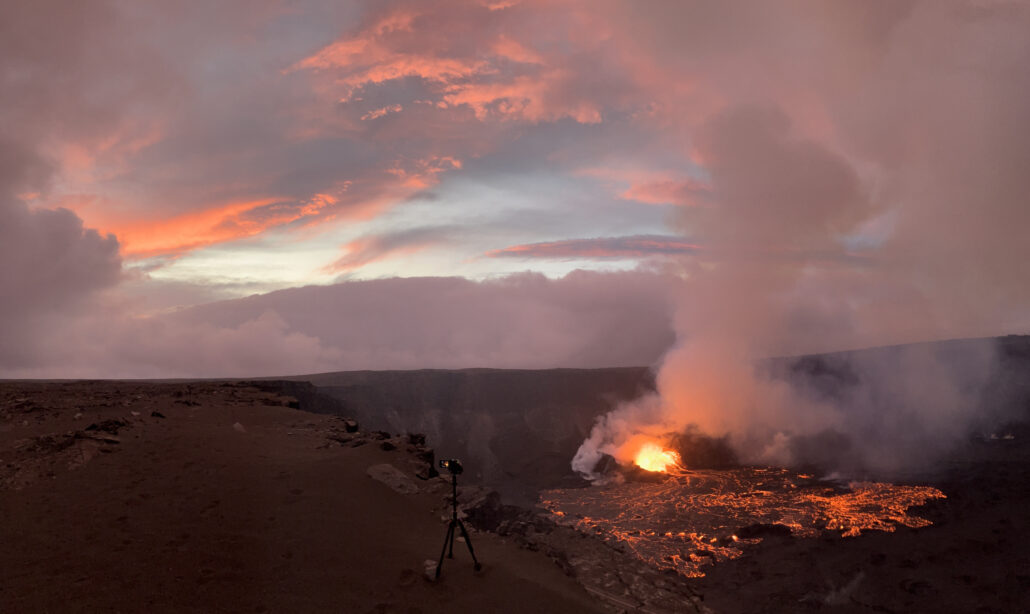
Kīlauea’s current eruption is episodic, meaning active lava fountaining is separated by pauses that may last several days or longer. During an active episode, visitors may see lava fountains, flowing lava, and a strong glow, especially after dark. During a pause, visible activity may be minimal, although a slight glow can sometimes be seen at night. The National Park Service recommends checking webcams and the latest USGS updates before visiting.
Even during a pause, Hawaiʻi Volcanoes National Park is still one of the most fascinating places on the island. Steam vents, crater views, lava fields, native forest, petroglyphs, and scenic drives all help tell the story of how Hawaiʻi Island was formed. For families, it is a wonderful outdoor classroom. Kids can see geology, weather, culture, ecology, and Hawaiian history come together in one place.
Visiting Hawaiʻi Volcanoes National Park During an Eruption
If you are staying on the Kohala Coast, a visit to Hawaiʻi Volcanoes National Park is best planned as a full-day adventure. The landscape changes dramatically as you travel across the island, and the park itself deserves time. Bring layers because the summit sits at a higher elevation and can feel cool, misty, and windy, especially in the evening.
For eruption viewing, the National Park Service notes that the current eruption within Halemaʻumaʻu can be seen from various overlooks along Crater Rim Drive when conditions allow. Lava visibility can change due to eruptive activity, fog, rain, crowds, parking, and temporary closures. Visitors should bring a headlamp for night viewing, wear sturdy shoes, carry warm clothing and weather gear, park only in designated areas, and keep outside closed sections.
It is also important to respect Kīlauea’s cultural meaning. For many Native Hawaiians, this is sacred ground connected to Pelehonuamea, the volcano deity. Watch quietly, follow posted guidance, and treat the area with care.
Safety Matters
Kīlauea is beautiful, but it is still an active volcano. The main hazards during this eruption include volcanic gases, ash, tephra, and Pele’s hair, which are fine strands of volcanic glass. These materials can irritate the eyes, skin, and respiratory system. The USGS notes that sulfur dioxide emissions and fine particles can create vog, a volcanic haze that may affect air quality downwind.
During Episode 50, most tephra remained inside the closed area of Hawaiʻi Volcanoes National Park, although light Pele’s hair was reported in Pāhala. If you have asthma, heart concerns, or respiratory sensitivities, check air quality before heading out and follow guidance from park officials.
A Big Island Experience You Will Never Forget
Not every visitor will see lava during their stay, and that is part of the truth of visiting an active volcanic island. Nature moves on its own schedule. Still, the chance to see Kīlauea during this historic eruptive period is extraordinary.
Episode 50 is more than a headline. This is a reminder that Hawaiʻi Island is still being created. The same forces that formed the black lava fields, dramatic coastlines, and rich volcanic soil are still active today. For families, couples, photographers, hikers, and inquisitive travelers, Hawaiʻi Volcanoes National Park offers one of the most meaningful experiences on the Big Island.
After a day exploring lava landscapes, crater overlooks, and native forest, returning to a comfortable Kohala Coast vacation rental gives you the best of both worlds. Feel the strength of Kīlauea, and then come home to ocean breezes, sunsets, and the tranquil serenity of your own island retreat.