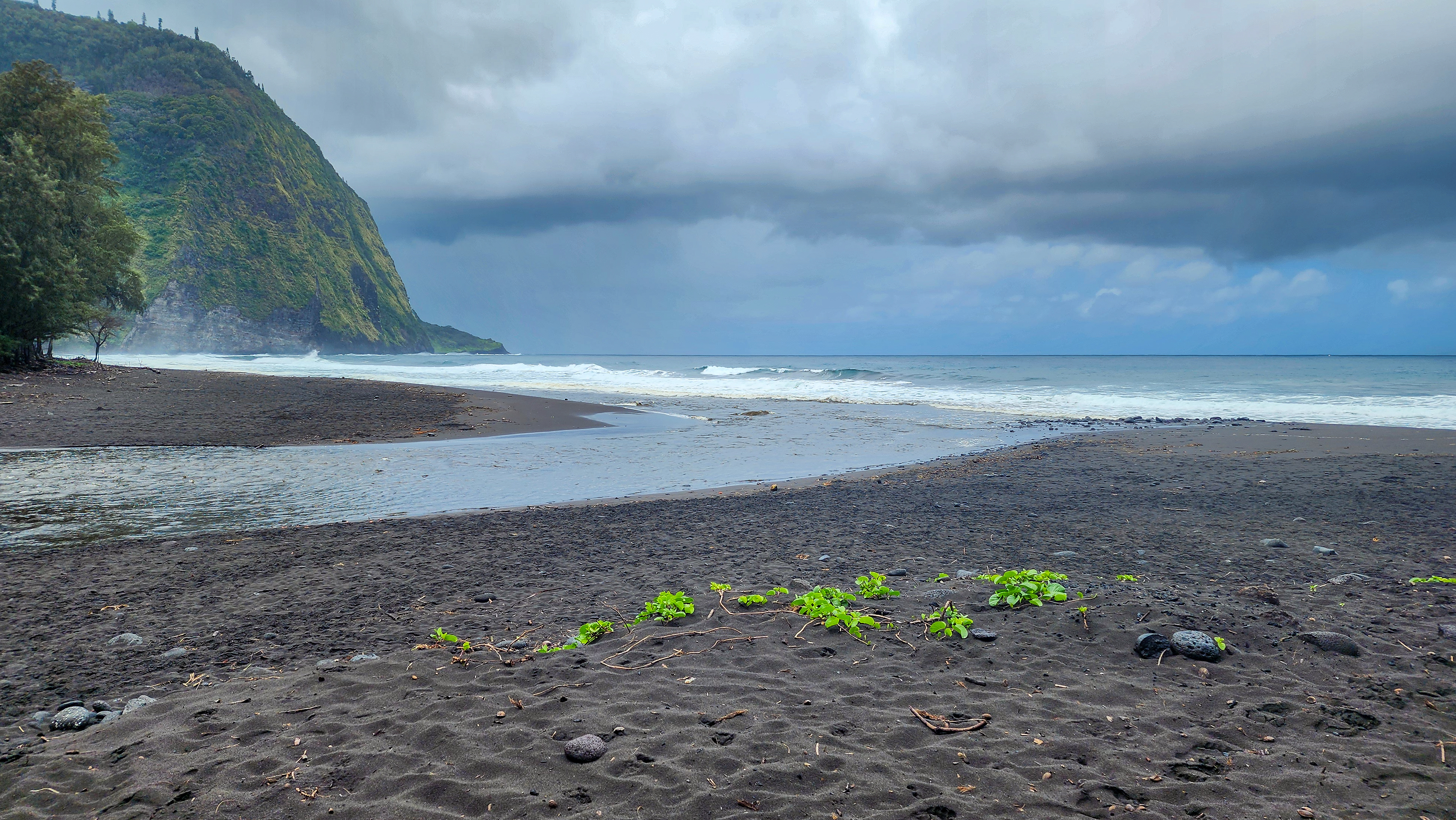
A beach day needs very little explanation. Visiting a Hawaiian temple, an ancestral valley, or a sacred mountain asks a little more of us.
You may already have some of these places on your Big Island itinerary. Waipiʻo Valley. Mauna Kea. The City of Refuge. They are beautiful, and you can appreciate the scenery without knowing much about them. But learning what happened here, and why these places still matter, changes the visit.
At Kohala Coast Properties, we encourage our vacation rental guests to leave room for that part of Hawaiʻi. Take your time. Read the signs. Ask questions when a ranger or guide is available. There is a great deal here that a photograph cannot explain.
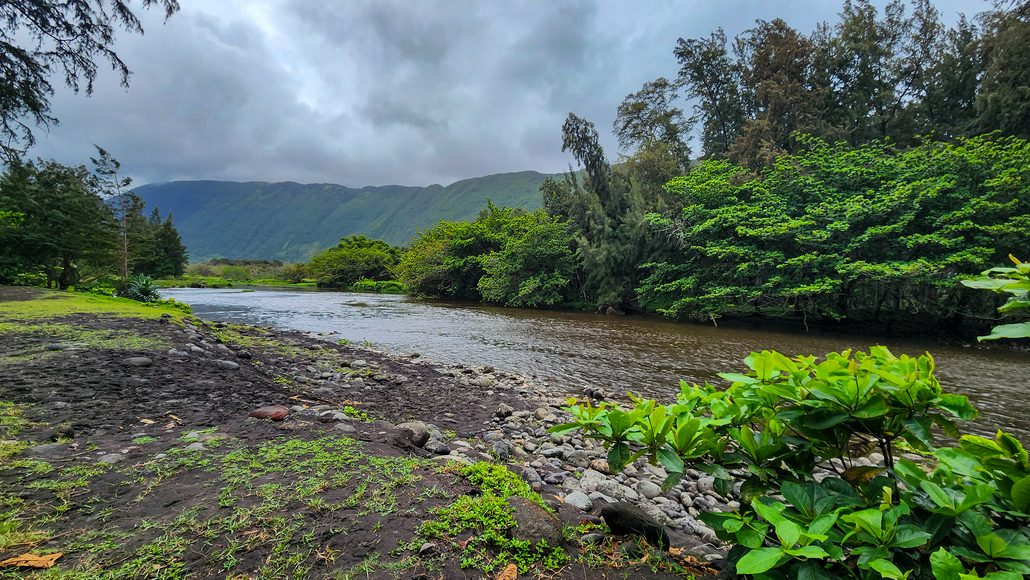
Waipiʻo Valley: A Living Community with a Royal Past
The view at Waipiʻo Valley Lookout is enough to make you stop talking for a moment. Steep green cliffs surround a valley that once supported thousands of people. Known as the Valley of the Kings, Waipiʻo was an important political and religious center and a childhood home of King Kamehameha I. Its connections to Hawaiian chiefs, ancestral burial places, and generations of families help explain its sacred significance.
People still live and grow kalo, or taro, here. The valley is their home, and private property deserves the same consideration you would expect in your own neighborhood.
Can visitors go into Waipiʻo Valley now? As of November 4, 2026, the road remains restricted. Visitors cannot independently drive down, and pedestrian access on the road is prohibited. Permitted, licensed, and insured tour operators are among the authorized users. For ordinary sightseeing visitors, a permitted tour is the way to arrange valley access.
Exceptions also include Hawaiʻi County residents and Native Hawaiians exercising traditional or customary rights. The lookout remains the straightforward option for enjoying the view. Check county updates and confirm access with your operator before booking; weather and roadwork can bring additional closures.
While there, slow down and feel the ancient mana (energy), enjoy the rustic tropical nature, and you might even see kanaka ponies, wild horses living in the valley. The valley is truly special, and it will stay in your memory for years to come.
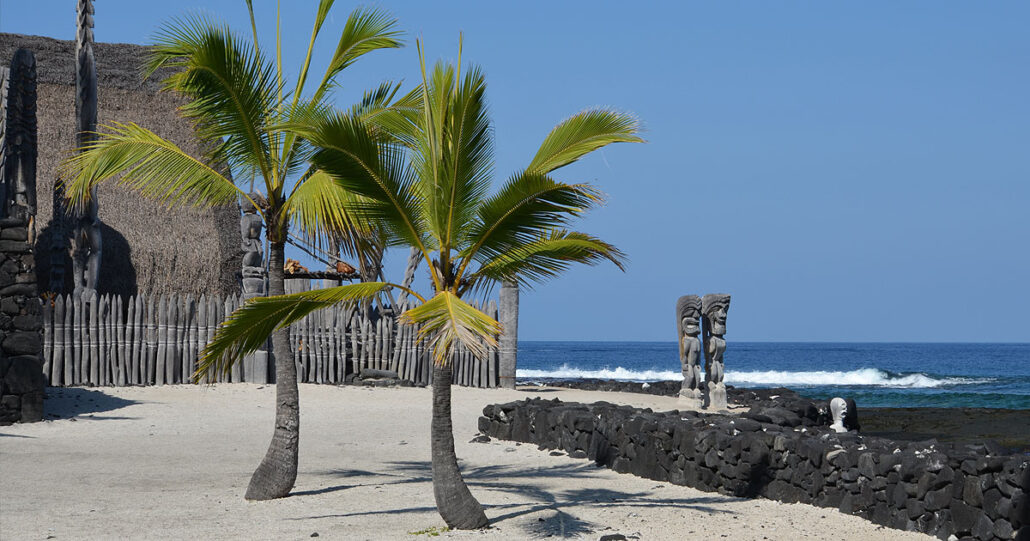
Puʻuhonua o Hōnaunau: The City of Refuge
Imagine reaching this shoreline knowing that getting inside the refuge could save your life.
Under the traditional kapu system, violating sacred laws could carry a death sentence. A person who reached the puʻuhonua could seek protection and forgiveness. During warfare, the refuge also sheltered people caught in the conflict. Nearby royal grounds made this part of South Kona an important center of religious and political life.
Today, Puʻuhonua o Hōnaunau National Historical Park lets visitors learn about that history beside the ocean, within a landscape of stone walls and ceremonial structures.
Allow time to walk slowly. Keep off the walls, follow marked paths, and save your picnic for the designated area. The popular Two Step snorkeling spot is outside the park. Entering the water at the park’s Keoneʻele Cove for snorkeling is prohibited, so plan those as separate visits.
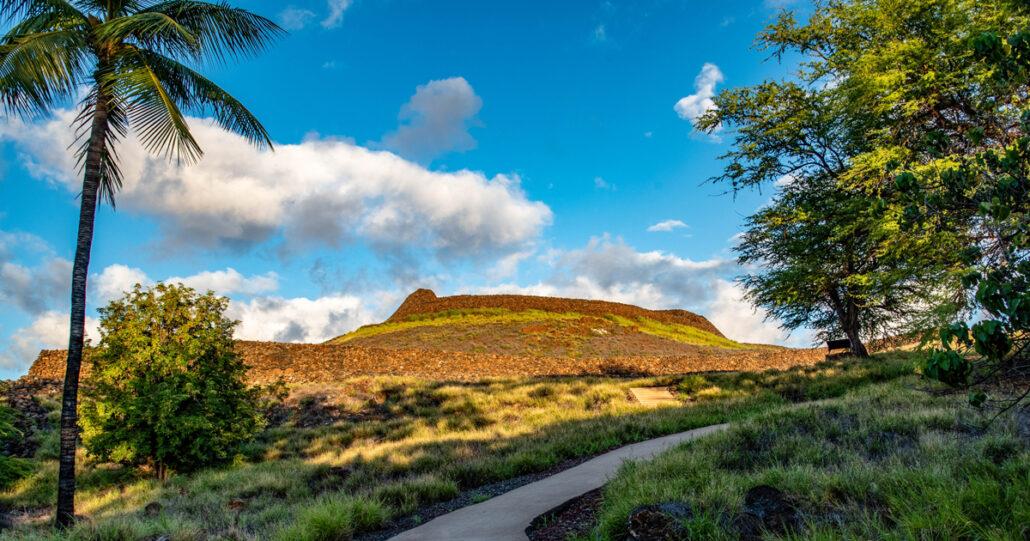
Puʻukoholā Heiau: Where Kamehameha’s Ambition Took Shape
Near Kawaihae, close to the Kohala Coast resorts, a massive stone temple stands above the shoreline. It is easy to drive past without realizing how much history it holds.
Kamehameha I had Puʻukoholā Heiau built in 1790 and 1791, after a prophecy linked its construction to his success in uniting the islands. Dedicated to his war god, Kūkāʻilimoku, the temple was built with carefully placed stones and no mortar. Oral traditions describe a long human chain passing stones along the Kohala landscape.
Its history includes warfare and sacrifice. Kamehameha’s rival, Keōua Kūʻahuʻula, was killed when he arrived for the dedication, and his death helped consolidate Kamehameha’s control of Hawaiʻi Island.
Start at the visitor center for context and watch the video played there before exploring the temple grounds; then follow the park’s paths and posted boundaries. Admire the stonework without climbing on it. Bring water and a hat; this sunny stretch of coast offers little shade.
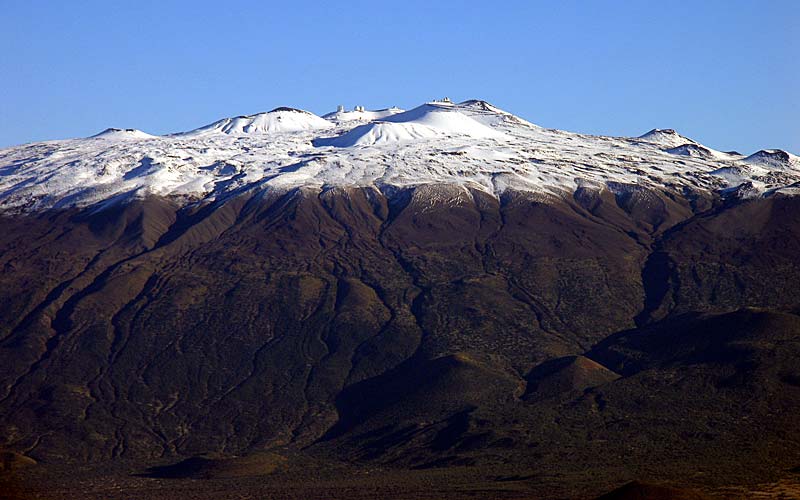
Mauna Kea: A Sacred Mountain Above the Clouds
Many visitors first hear about Mauna Kea because of its observatories and stargazing. Its significance in Hawaiian tradition reaches much deeper.
Also written Maunakea, the mountain is associated with Wākea and with Hawaiian deities. Its cultural landscape includes shrines, burial sites, and places connected to generations of spiritual practice. Something that looks like an ordinary arrangement of stones may be an altar.
Leave every stone in place. Do not build rock stacks, add objects to shrines, or leave belongings behind. Visitors are asked to appreciate Puʻuwēkiu, the true summit, at a distance because of its cultural sensitivity.
A visit also requires practical preparation. Stop at the Visitor Information Station, review current mountain guidance, and take the altitude seriously. You don’t need to reach the highest point to have a meaningful experience here.

Kīlauea: The Home of Pele
Yes, Kīlauea absolutely belongs on this list.
In Hawaiian tradition, Halemaʻumaʻu at Kīlauea’s summit is the home of Pelehonuamea, often called Pele, whose presence is embodied in volcanic activity and the creation of land. For some Hawaiian families, Pele is an ancestral deity. The connection is personal and continues today.
Remember this when visiting Hawaiʻi Volcanoes National Park. Give people space if they are praying, chanting, or making cultural offerings. Ask permission before photographing a ceremony.
Visitors should not improvise their own offerings. Food, alcohol, and other objects can harm the environment and create work for park staff. Quiet appreciation is enough. Leave lava rocks where they belong, stay behind barriers, and check park alerts before your visit.
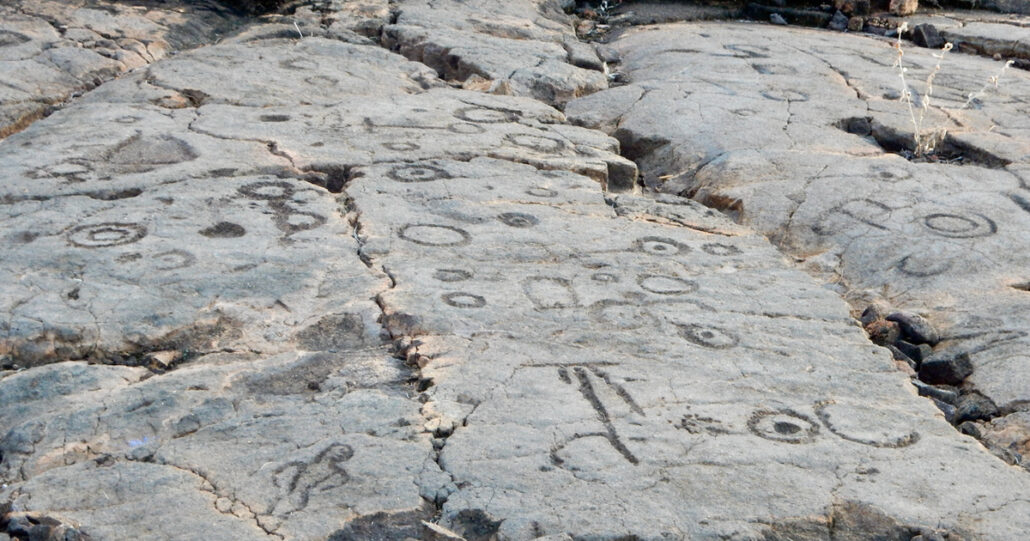
Another Place Worth Understanding: Puʻuloa
Within the national park, Puʻuloa holds thousands of petroglyphs and deep family connections. Small depressions in the lava were used to place a baby’s piko, the umbilical stump, with hopes for a long life.
Knowing that makes these carvings feel very different than a collection of mysterious shapes. Stay on the viewing boardwalk at the petroglyph field, and never trace, rub, or walk across the carvings.
Being a Thoughtful Guest
You do not need to know every Hawaiian tradition before arriving. A willingness to listen goes a long way. Respect closed areas, keep your voice low around ceremonies, and ask a caretaker when you are unsure.
During your stay with Kohala Coast Properties, give yourself time for a visit like this. Perhaps start with nearby Puʻukoholā Heiau. Spend some time with its history before heading back to your vacation rental. You will see a little more of Hawaiʻi than you did that morning.