There are moments when the beauty of Hawaiʻi feels almost indestructible. Then nature reminds us just how powerful it can be.
Hurricane Lala was one of those moments.
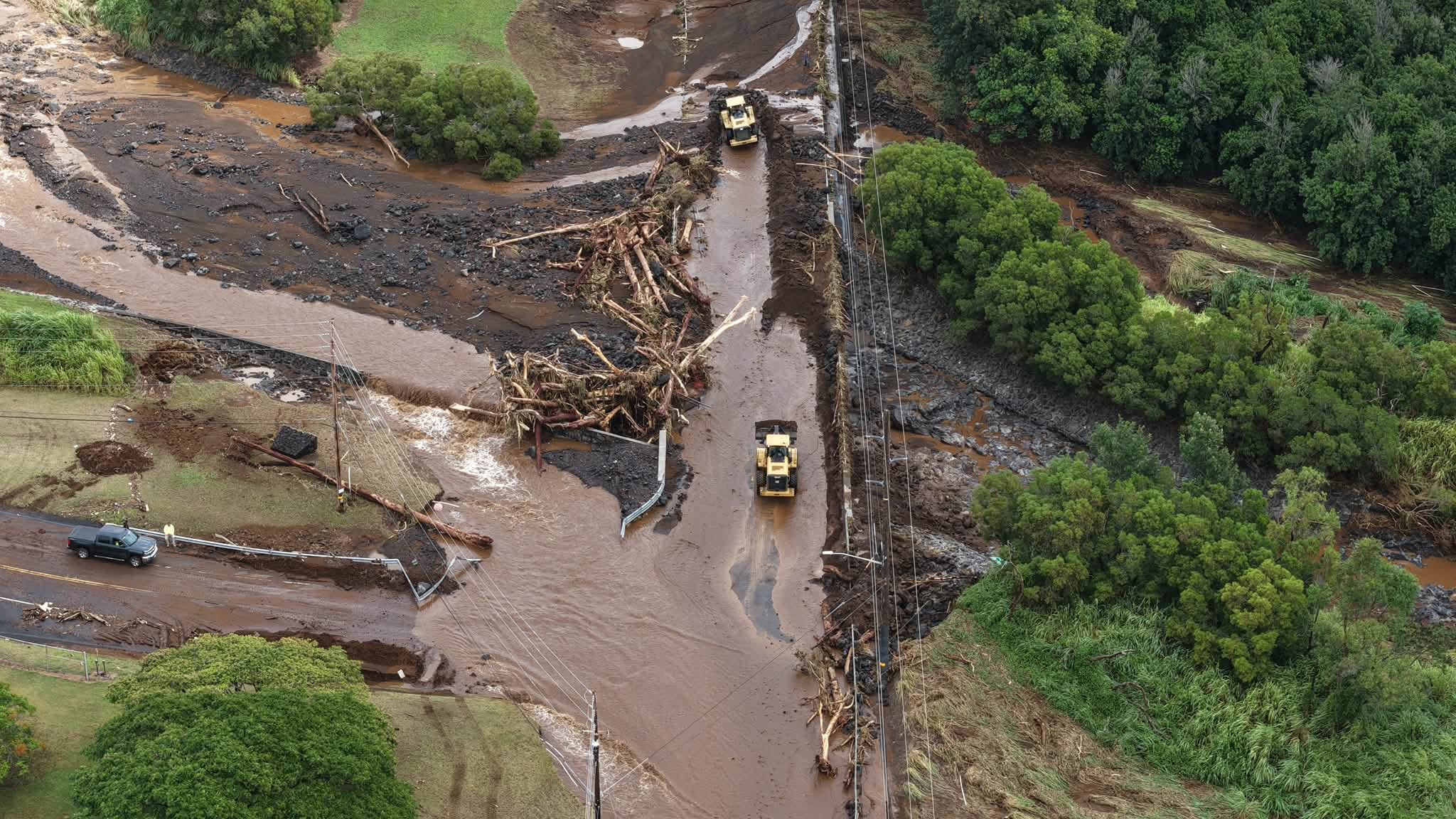
On August 15, 2026, Lala strengthened into a Category 1 hurricane as it approached Hawaiʻi Island. Its eye never officially made landfall, but that does not mean the island avoided its force. At its closest approach, the eyewall touched the southern portion of Hawaiʻi Island, with the center passing roughly 30 miles southwest of South Point. Torrential rain, damaging winds, flooding, fallen trees, and widespread power outages followed.
The amount of water was extraordinary. University of Hawaiʻi researchers estimate that Lala dropped approximately 1.3 trillion gallons of rain across the state during August 14 through 16. Hawaiʻi County received about two-thirds of that rainfall volume.
But another part of this story is important to tell.
Hawaiʻi Island did not experience Lala in the same way everywhere.
Kaʻū Bore the Brunt of the Storm
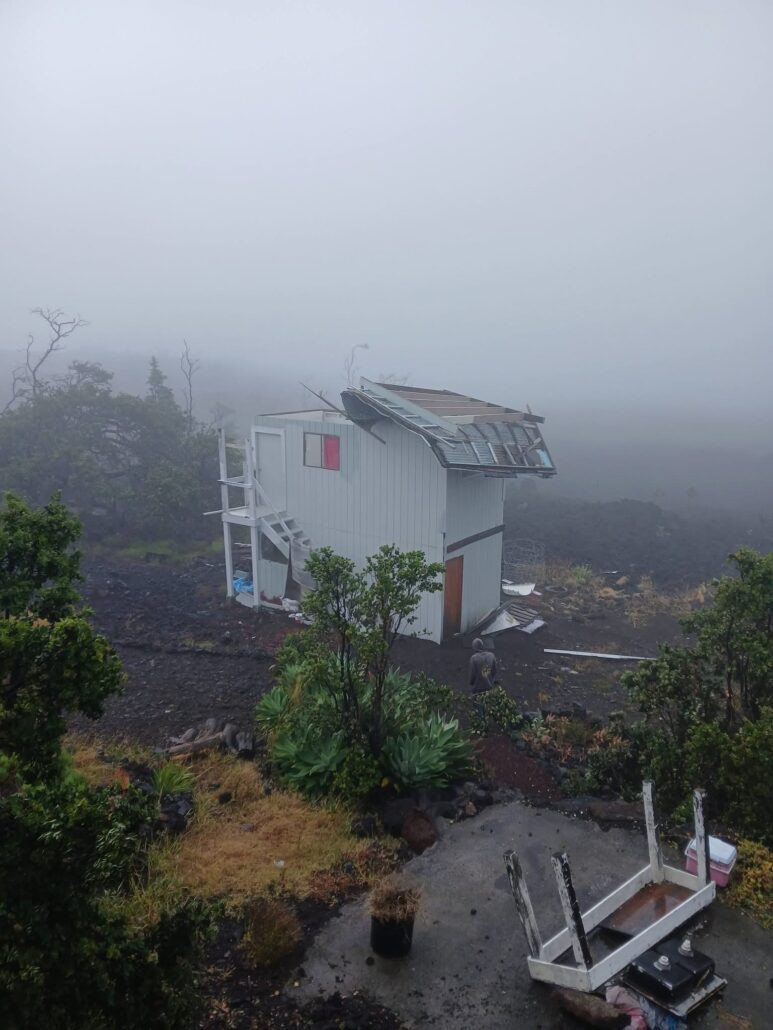
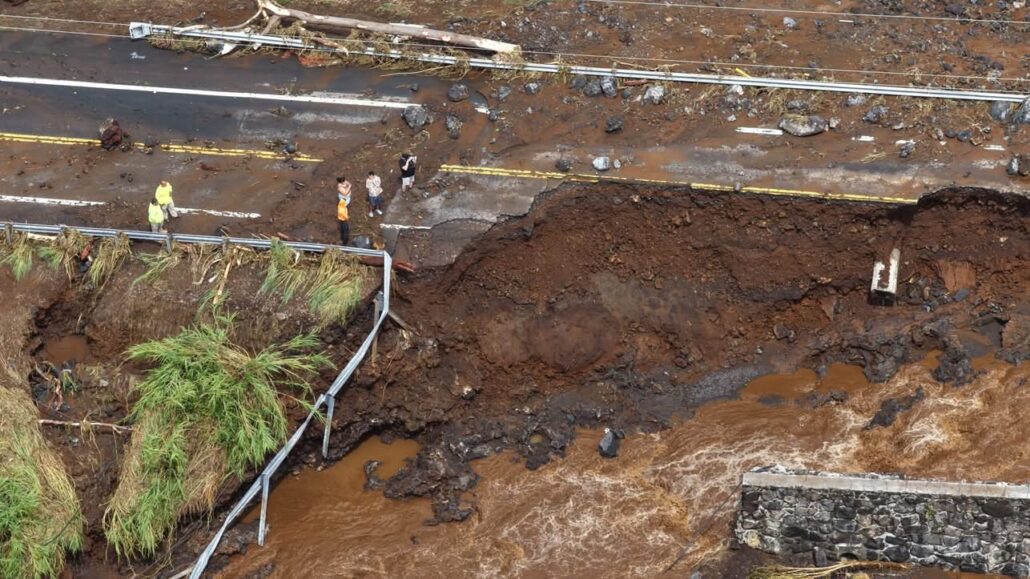
Some of the most heartbreaking destruction occurred in Kaʻū (Big Island’s south district), particularly around Nāʻālehu, Pāhala, Waiʻōhinu, Ocean View, and surrounding rural communities.
Floodwaters damaged roads, bridges, homes, and community infrastructure. Parts of Highway 11 were severely damaged. Some isolated communities needed helicopter deliveries of supplies. Power outages continued well beyond the storm, and residents struggled to get fuel, water, food, and other necessities.
At Nāʻālehu Cemetery, flooding was so powerful that it disturbed graves and carried remains outside the cemetery grounds. County officials later reported that 69 sets of human remains had been identified within the flood area. It is difficult to imagine the emotional impact this has had on families and the entire community.
Homes were also badly damaged. In Ocean View, one family described watching their roof lift away while they were still inside. Others lost possessions, vehicles, food supplies, and livelihoods. Farmers and small businesses are also facing a long recovery.
These are real people, our neighbors, friends, and fellow Hawaiʻi residents. Long after the storm disappears from national headlines, many will still be rebuilding.
The Whole Big Island Was Not Devastated
For people considering a Hawaiʻi vacation, this distinction matters.
Hawaiʻi Island is enormous, with dramatically different terrain and weather patterns throughout its districts. Images from severely damaged areas are real and should never be minimized, but they do not represent conditions everywhere on the island.
Kona and the South Kohala Coast experienced Lala’s winds, rain, and some power outages, downed trees, and other storm effects. Kona Airport even recorded a 71 mph gust during the hurricane. Yet these areas generally did not experience the catastrophic flooding seen in Kaʻū. Waikoloa Beach Resort communities, for example, reported relatively minor damage, and some resort amenities reopened the following day.
Today, the wider picture is encouraging. Hawaiʻi’s official visitor guidance reported on August 25 that weather watches and advisories had been lifted, airports statewide were open, flights were operating, and most visitor services had returned to normal. Officials continue to ask visitors to stay away from active recovery areas in Kaʻū and respect road closures.
That means visitors do not need to abandon their Hawaiʻi travel plans. In fact, the Hawaiʻi Tourism Authority has encouraged travelers with upcoming trips to keep their plans, support open businesses, and respect communities still recovering.
Tourism supports thousands of Hawaiʻi families. Traveling responsibly can be part of the recovery.
How You Can Help Hurricane Lala Victims
If Hawaiʻi has ever given you a beautiful vacation, a sunset you still remember, a place where your family reconnected, or simply a feeling of aloha that stayed with you after you returned home, this is an opportunity to give a little aloha back.
Even a modest donation can help.
Here are several organizations and direct fundraisers supporting people affected by Lala:
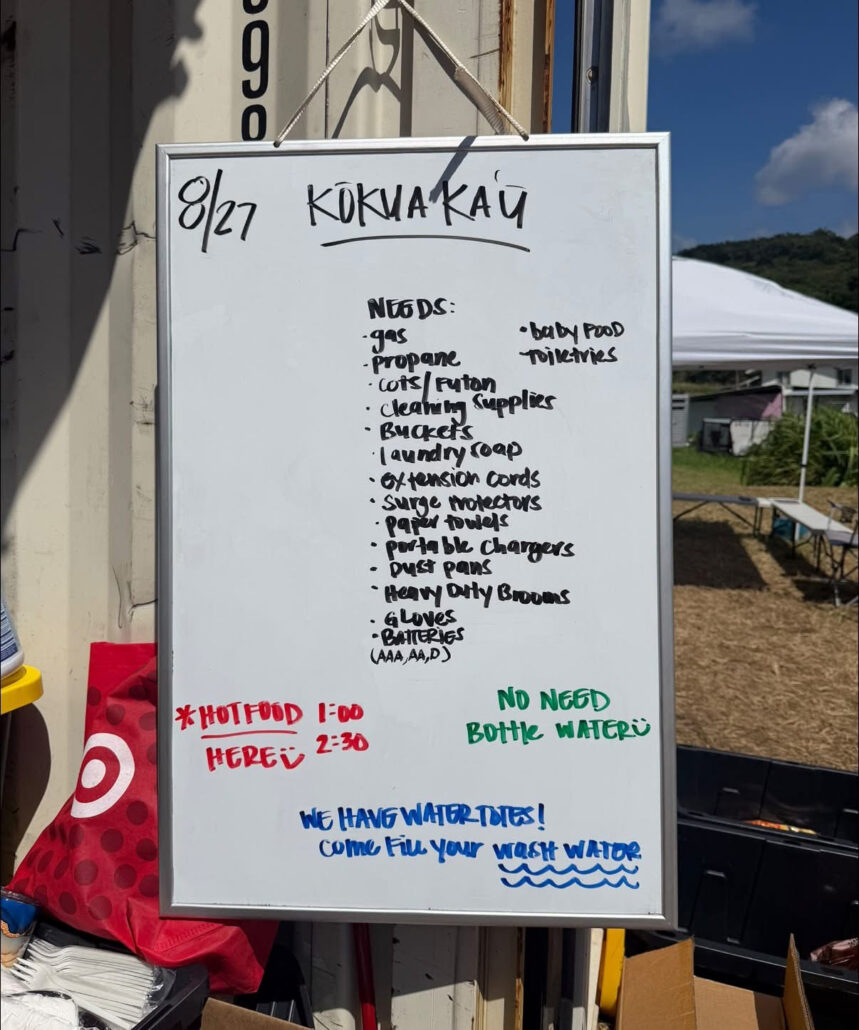
- Mālama Kaʻū Foundation Hurricane Lala Relief Fund: A Kaʻū-based nonprofit providing direct community relief, including fuel assistance, propane, portable chargers, bedding, cleaning supplies, and other urgently requested items. Donate through Mālama Kaʻū Foundation
- Hawaiʻi Community Foundation Stronger Hawaiʻi Fund: Supports disaster response and recovery organizations across Hawaiʻi. Grants have already been deployed to organizations assisting Kaʻū and other affected communities. Donate to the Stronger Hawaiʻi Fund
- American Red Cross: Disaster teams have provided shelters, food, water, cleanup kits, tarps, and neighborhood assistance. Support American Red Cross disaster relief
- The Food Basket: Hawaiʻi Island’s food bank is helping distribute food to residents affected by the storm. Support The Food Basket
- Help Weng and Joe’s Family: This Ocean View family lost nearly everything after Lala tore the roof off their home and flooded the property. Their GoFundMe is helping with housing, basic necessities, and rebuilding. Donate directly to Weng and Joe’s family
- Help the Kai ʻOhana Rebuild: The Kai family in Waiʻōhinu suffered serious damage to their home and Wong Yuen Store, including roof and ceiling damage, mud, debris, and damaged equipment. Donate directly to the Kai family
- Support the Ion Family: A fundraiser is helping a Nāʻālehu family regain transportation and secure housing after Lala disrupted their lives. Donate to the Ion family fundraiser
You can also follow this Kaʻū community Facebook page shared with us for information about local businesses and community members helping Kaʻū.
Genuine Aloha LLC, a local food catering and events company, is providing meals to the Kaʻū families and helping with other recovery efforts.
Because needs and individual fundraising campaigns can change quickly, we suggest reviewing each campaign before donating. Hawaiʻi News Now and Honolulu Civil Beat also maintain updated lists of reputable organizations assisting Lala victims.
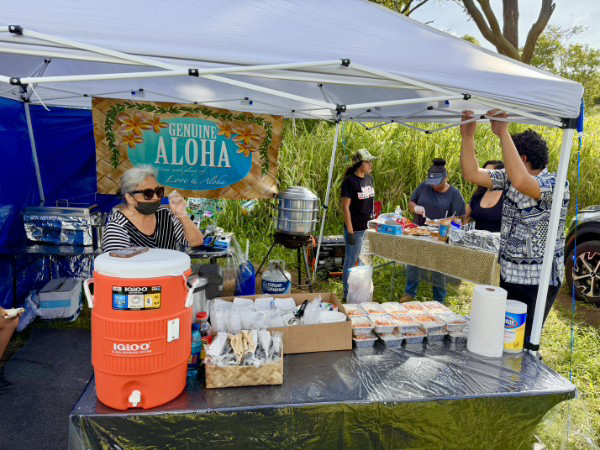
Donate Food and Essential Supplies
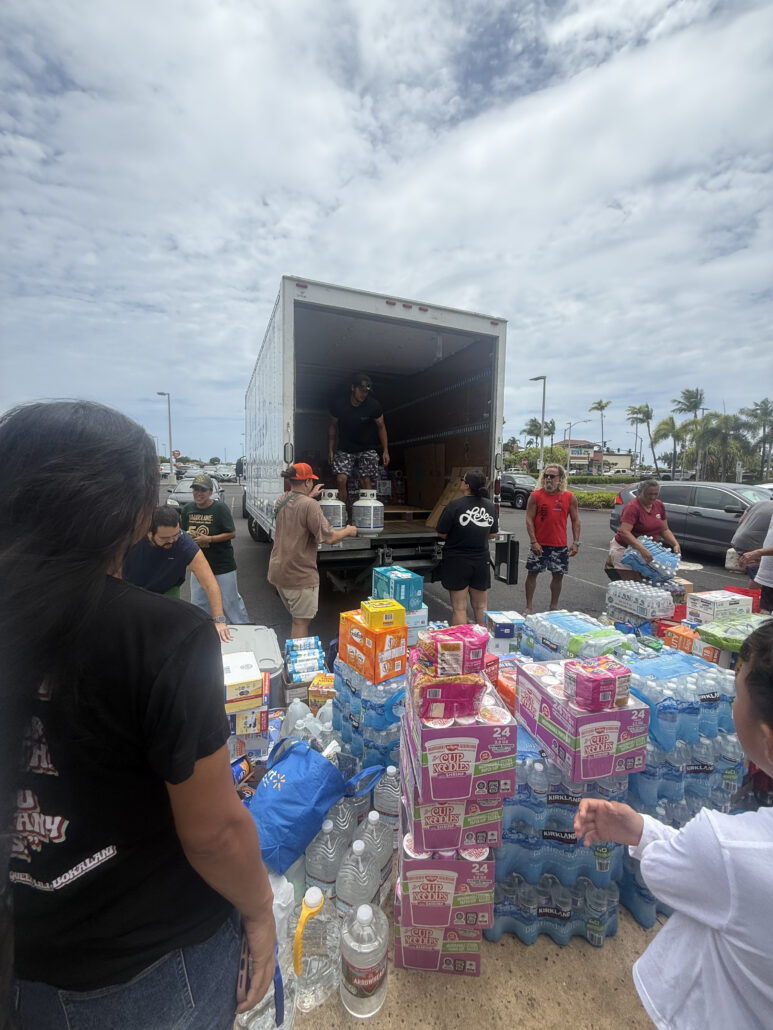
Financial donations are incredibly helpful, but there is also an ongoing need for food, household essentials, and everyday supplies. Local volunteers began organizing donation drop-offs almost immediately after Hurricane Lala. The very next day, one group coordinated a collection at Target and transported a large load of donated goods directly to Kaʻū.
That community effort has continued ever since.
A relief hub was initially set up in Waiʻōhinu, only about five minutes from Nāʻālehu. As recovery efforts grew, the hub moved closer to the area of destruction so volunteers could reach affected families more easily and residents could access the supplies they need.
Today, volunteers bring donations to the hub and store them in shipping containers before sorting and packaging them for local families. Residents can come directly to pick up essential items, and volunteers also use Polaris utility vehicles to transport supplies into areas where families need additional help. The community prepares hot meals almost daily, and volunteers also deliver food directly to residents who may not be able to reach the distribution site.
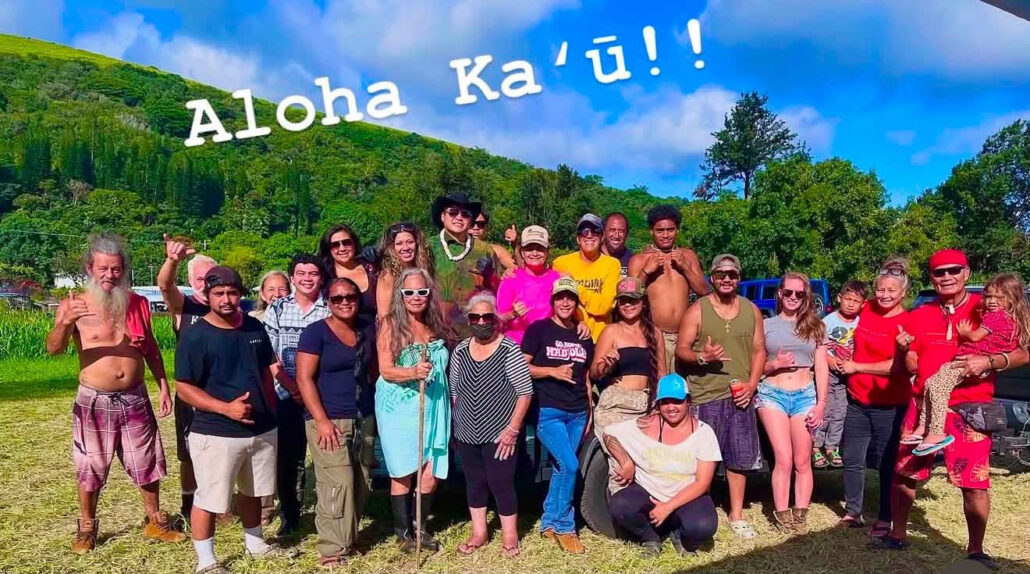
These grassroots efforts are a powerful reminder of what community looks like in Hawaiʻi. People began helping almost as soon as the storm passed, and they are still showing up.
The need did not end when the wind and rain stopped. Kaʻū has a long road to recovery, and donations of food, water, household necessities, cleaning supplies, and other essential items can continue to make a meaningful difference for families rebuilding their lives.
If you are on Hawaiʻi Island and would like to donate supplies, please follow current updates from the local Kaʻū relief organizers before heading to a collection site. Donation locations and the most urgently needed items may change as recovery progresses.
Hurricane Safety in Hawaiʻi
Lala also reminds all of us that preparation matters.
Hurricanes making a direct hit on Hawaiʻi are unusual, but tropical cyclones can still produce dangerous rain, flooding, wind, and ocean conditions without making landfall.
Visitors should monitor Hawaiʻi County Civil Defense, the National Weather Service and official accommodation communications whenever severe weather threatens. Keep phones charged, know where you would shelter, have drinking water, basic food, medication, identification, cash and a flashlight readily available. Never drive through floodwater or around barricades. If authorities issue evacuation instructions, follow them immediately.
Hawaiʻi emergency officials recommend residents maintain up to 14 days of emergency supplies because the islands’ geographic isolation can make recovery and resupply more difficult after a major disaster.
Travelers should also remember that after a major rain event, brown water advisories may affect beaches and nearshore waters. Avoid water that looks brown or murky and follow lifeguard and health department guidance.
Hawaiʻi Is Still Here
Hurricane Lala showed us two sides of island life.
It showed us the tremendous power of nature and the vulnerability of communities living in its path. But it also showed us neighbors hauling supplies, businesses donating food and fuel, volunteers preparing meals, pilots delivering necessities into isolated areas, service teams working long hours, and complete strangers helping families they have never met.
That is also Hawaiʻi.
At Kohala Coast Properties, our hearts are with everyone who lost a loved one, a home, a business, belongings, or a sense of security during this storm.
And to our visitors, we want you to know that Hawaiʻi is still here, still beautiful, and still welcoming you.
Please come with awareness. Respect communities that are rebuilding. Support local businesses. Follow safety guidance. And if you can, consider donating to a family or organization helping those who were not as fortunate.
Sometimes aloha means welcoming someone to our islands.
Sometimes it means standing beside one another after the storm.
Right now, we can do both.