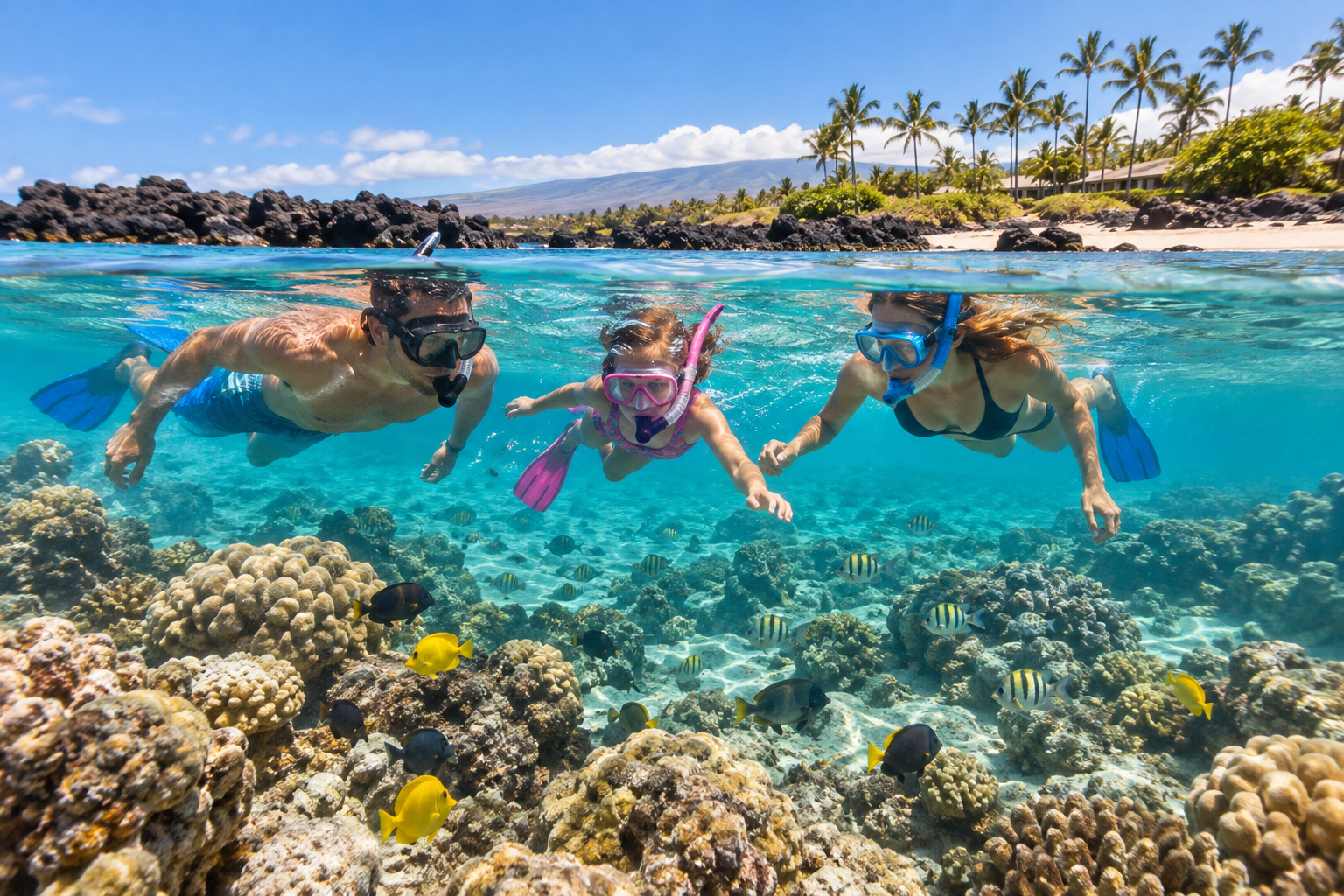
There is a special magic in putting on a mask, looking underwater, and discovering an entirely different world just a few feet offshore.
Here on Hawaiʻi Island, we are lucky to have wonderful snorkeling, and the sunny Kohala Coast is especially inviting for families and beginners. Clear water, protected bays, colorful reef fish, and several easy beach entries make Kohala Coast snorkeling an activity almost everyone can enjoy.
You do not need to book an elaborate excursion, either. Some of our favorite reefs are accessible right off the beach.
Grab a mask, snorkel, and fins, head out early while the ocean is usually at its calmest, and discover a side of the Kohala Coast that you cannot see while sitting under a beach umbrella.
What Makes a Good Beginner Snorkeling Beach?
For someone new to snorkeling, the most spectacular reef is not necessarily the best reef.
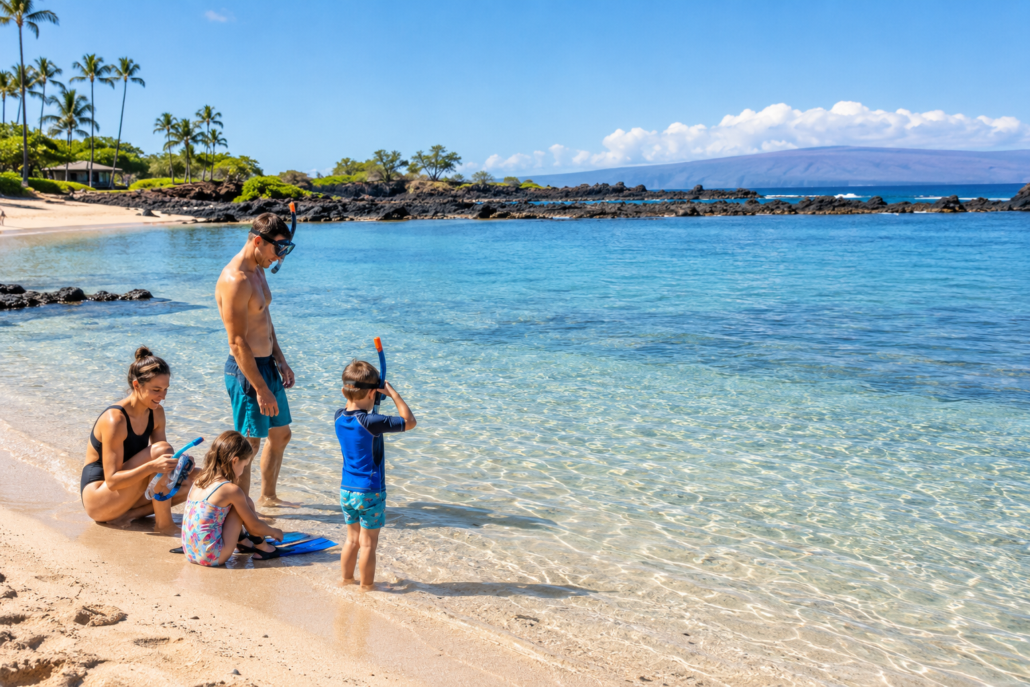
A comfortable first snorkeling experience usually starts with calm water, good visibility, a manageable entry, and an area where you can stay relatively close to shore. Sandy entries are particularly helpful for children and anyone still getting used to fins and a snorkel.
Conditions matter tremendously. A beach that looks like a swimming pool one morning can look very different another day. Hawaiʻi State Parks recommends snorkeling with a buddy, checking conditions before you enter, and paying special attention when getting in and out of the ocean.
Here are some of our favorite places to begin.
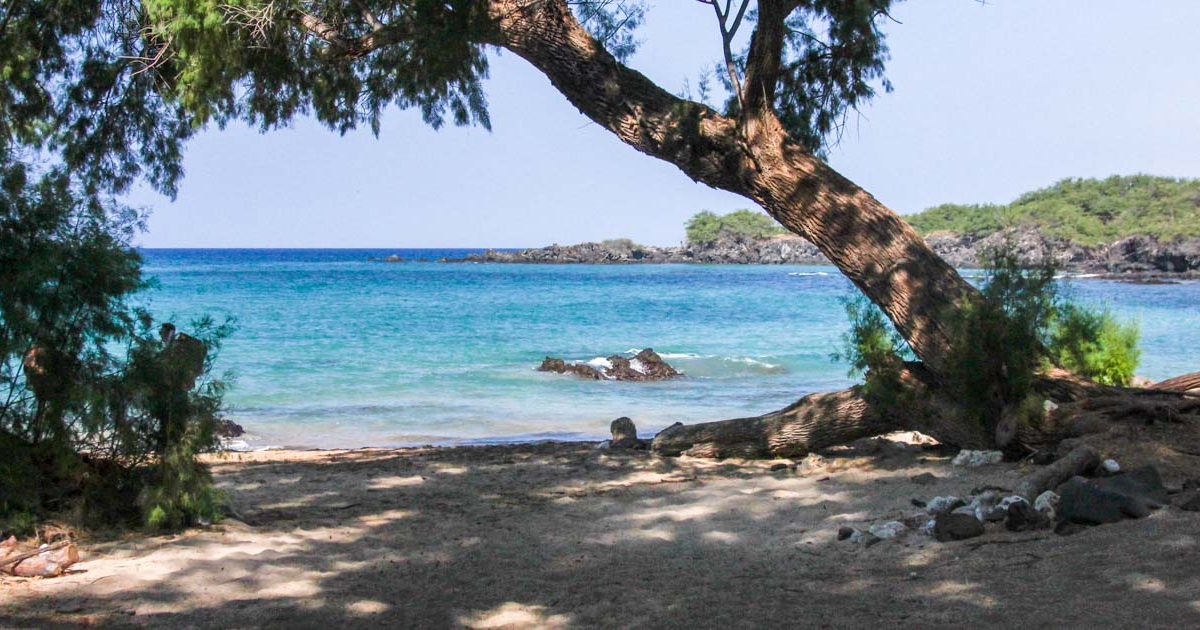
ʻŌhaiʻula, or Spencer Beach Park: One of the Best for Families
If you are introducing children to the ocean, Spencer Beach Park near Kawaihae deserves a place near the top of the list.
An offshore reef helps protect the beach, creating calm swimming and snorkeling conditions on many days. There are also restrooms, picnic facilities, and plenty of room to make an entire beach day out of your visit. Hawaiʻi County currently provides lifeguard coverage on weekends and holidays between 9:30 a.m. and 4 p.m.
For younger snorkelers, the ability to become comfortable in shallow water before venturing farther out is a big advantage.
And when everyone has had enough snorkeling, you are close to Puʻukoholā Heiau National Historic Site, making this an easy place to combine beach time with a little Hawaiian history.
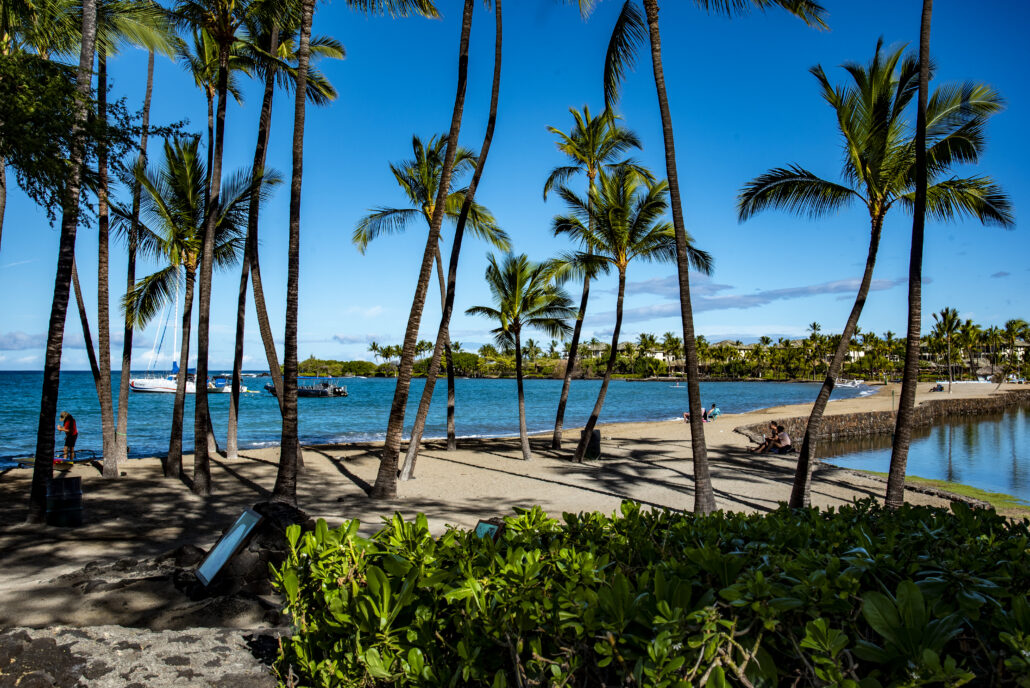
ʻAnaehoʻomalu Bay: Easy Kohala Coast Snorkeling in Waikoloa
Better known as A-Bay, ʻAnaehoʻomalu Bay is one of the easiest choices for guests staying in Waikoloa Beach Resort.
The sandy shoreline and relatively gentle entry make it much less intimidating than many of the lava-rock snorkeling locations around the island. The most interesting snorkeling is generally closer to the rocky edges of the bay, where reef fish can gather. Mornings are usually the best choice before afternoon winds affect visibility.
A-Bay is also simply a beautiful place to spend the day. Palm trees, historic Hawaiian fishponds, and a long beach make it easy for family members who don’t want to snorkel to enjoy themselves, too.
And A-Bay gives you access to another longtime KCP favorite.
Shipwreck Beach: Our Waikoloa Hidden Gem
We have written about Shipwreck Beach several times over the years because it remains one of those little Waikoloa places that many visitors never discover.
The name isn’t formal, and this isn’t the famous Shipwreck Beach on Kauaʻi. Our Shipwreck Beach lies south of A-Bay inside Waikoloa Beach Resort.
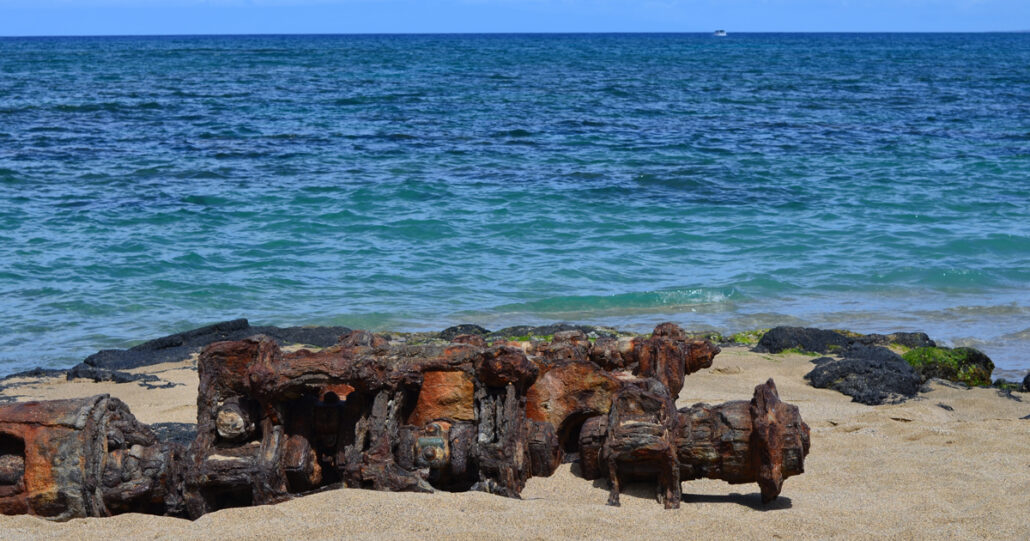
Walk onto A-Bay, turn south, and continue along the shoreline past Lava Lava Beach Club and beneath the trees. After about 15 to 20 minutes, look for the old rusted engine that has long served as the beach’s landmark.
On a calm morning, the shallow nearshore reef can make this a fun snorkeling stop for water-confident families. KCP has long loved this spot for its seclusion, reef life, and occasional honu sightings.
Just remember that this is a wild beach rather than a developed beach park. There is no lifeguard, and rocky sections require more attention than A-Bay. If the ocean looks rough, enjoy the walk, scenery, and beach instead and save snorkeling for another day.
That is one of the most important rules of snorkeling in Hawaiʻi: never feel committed to getting into the water just because you came prepared.

Waialea Bay, or Beach 69: A Beautiful Reef for Families
Just north of Puako is Waialea Bay, affectionately known as Beach 69 because of the utility pole historically used to identify its access road.
Waialea is one of our favorite places when the water is calm. The bay offers shade beneath the trees, little sandy pockets, and excellent snorkeling around its rocky sections.
It is also special environmentally. A 35-acre portion of Waialea Bay is designated as a Marine Life Conservation District. Hawaiʻi’s Division of Aquatic Resources describes the marine diversity here as among the best in Kawaihae Bay.
Summer conditions are generally the most inviting. Winter surf can be considerably stronger, and there is no lifeguard, so families should always assess the ocean before entering.
One land-based warning for families: many of the shade trees are kiawe, and their thorns can be nasty. Shoes are a very good idea while walking around the beach.
Kaunaʻoa Beach at Mauna Kea: Snorkeling Plus a Gorgeous Beach Day
Kaunaʻoa Beach, commonly called Mauna Kea Beach, has almost everything you picture when imagining a Hawaiian beach: soft white sand, blue water, and a lovely crescent-shaped shoreline.
When conditions are calm, snorkeling near the rocky ends of the beach can be excellent, making Kaunaʻoa a good option for families who want snorkeling without giving up a classic sandy-beach experience. Go Hawaiʻi notes the generally calm water and recommends arriving early because public parking is limited.
Winter swells can change conditions dramatically, so the ocean gets the final vote.

Paniau Beach in Puako: Beautiful, but Better for Experienced Snorkelers
We absolutely have to include Paniau Beach, because Puako has some of the most fascinating reef habitat on the Kohala Coast.
But Paniau belongs in a different category.
As we mentioned in previous KCP snorkeling blogs, the Hawaiian name Paniau translates to “many currents.” The shoreline is rocky, so this place is better suited to experienced snorkelers and scuba divers. Reef shoes and fins are strongly recommended.
Puako’s reef can be extraordinary, with abundant fish, honu, and delicate underwater terrain. The various public shoreline accesses along Puako Beach Drive offer different entry conditions, and some are considerably easier than others.
For a family’s very first snorkeling adventure, we would choose Spencer Beach, A-Bay, or another protected sandy bay instead. Save Paniau for stronger swimmers who already understand currents, rocky entries, and ocean conditions.
Snorkel With Aloha
The reef is alive, and a wonderful snorkeling experience comes with a responsibility to protect it.
Never stand on coral, touch marine animals, or chase turtles for a photograph. Give honu and other wildlife plenty of room, and enjoy watching them behave naturally. Waialea’s protected status reminds us that these reefs are not attractions created for us. They are living ecosystems that we are privileged to visit.
Snorkel with a buddy, start early, check the day’s ocean conditions, and don’t hesitate to change plans when the water doesn’t look right.
Then relax and enjoy it.
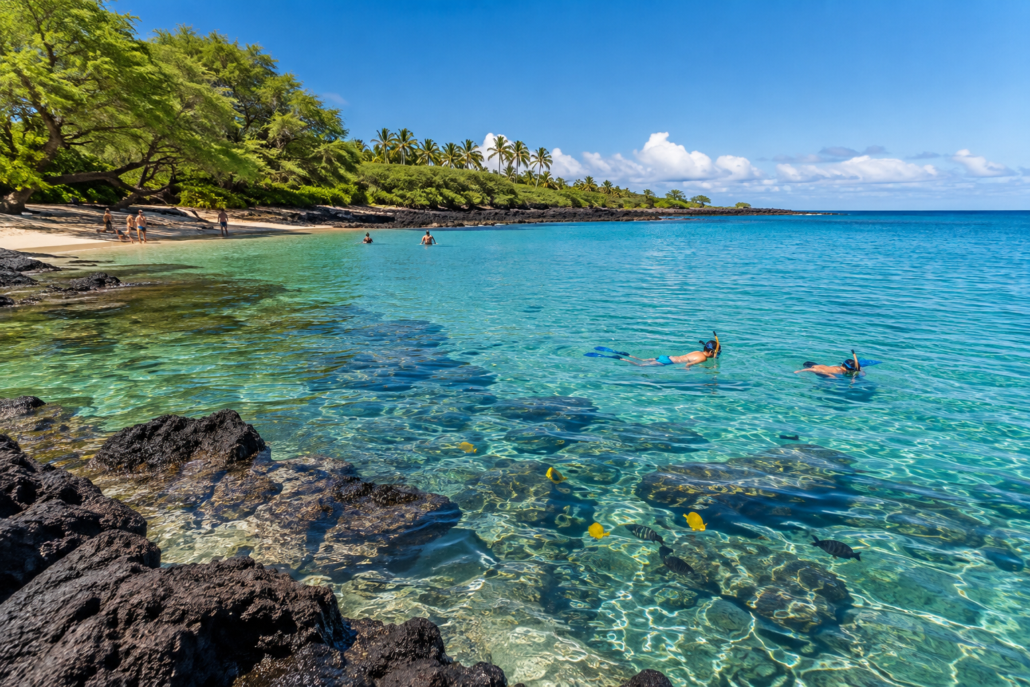
You might see a brilliant yellow tang sliding through the reef, a honu beneath you, schools of butterflyfish dashing around the rocks, or something you have never seen before.
That is the beauty of Kohala Coast snorkeling. Every morning in the water can be a little different.
And when your snorkeling adventure is finished, there is nothing quite like coming back to your own comfortable place along the coast, rinsing off the salt and settling in for another beautiful Hawaiʻi sunset.
At Kohala Coast Properties, we love sharing the places that make this part of the Big Island so special. If you are planning your next Hawaiʻi vacation, browse our Kohala Coast vacation rentals and make yourself at home while you explore the beaches, reefs, and hidden corners we love.
A hui hou!